Shortage of Health Facilities in Helmand: 70% of Centers Operate Without Proper Buildings
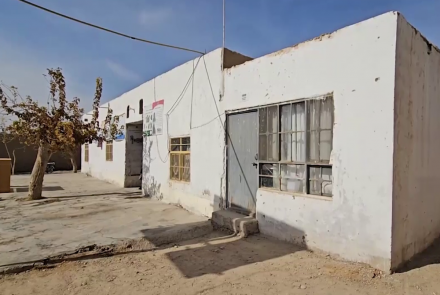
The Helmand Public Health Department has announced that since the Taliban administration took power, buildings have been constructed for about 30 percent of the province’s health centers. However, nearly 70 percent of health centers, especially those in districts and remote areas, continue to operate without proper buildings, a situation that seriously limits access to quality healthcare services.
Residents of Babaji district in Helmand report that many health centers operate in makeshift and inadequate locations, which negatively affects the quality of services, hygiene, and the storage of medicines. These centers are not only vulnerable to natural hazards but also face shortages of basic equipment.
Several residents of the district have expressed concern and called on the Taliban administration to build standard clinics. Hikmatullah, a resident of Babaji, says that in the makeshift centers, dust even settles on the medicines. Another resident, Jumah Khan, emphasizes that constructing a proper clinic could significantly reduce many of the health problems faced by the people.
Meanwhile, Dr. Naqibullah Fateh, head of Helmand Public Health, states that despite the construction of some buildings after the Taliban returned to power, a large portion of health centers in the province still lack proper facilities. This situation shows that planning and investment in the health sector, especially in the districts, do not meet the broad needs of the population.
The shortage of standard health centers in southern provinces, particularly in remote areas, forces children, women, and the elderly to travel long distances to access basic health services. This issue has increased criticism of the Taliban administration’s performance in ensuring equal access to healthcare rights.