Afghan Evoke Urges US Congress for Results-Oriented Hearings on Afghan Refugees
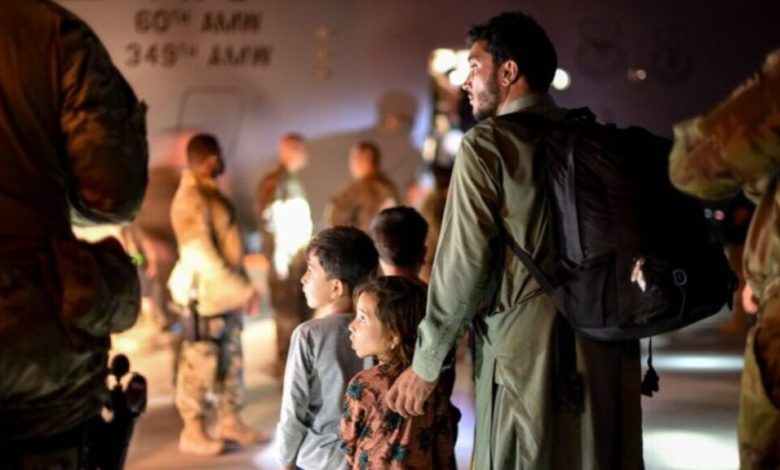
Afghan Evoke, a US-based advocacy group supporting Afghan refugees, has called on the United States Congress to hold specific, results-oriented hearings regarding the suspension of the resettlement and admission of Afghan refugees. These sessions should focus on finding practical solutions rather than assigning blame.
In a statement, the organization emphasized that these hearings should specifically address the implementation of US immigration programs, particularly the Special Immigrant Visa (SIV) program, and increase transparency — including which processes have been halted, why these suspensions occurred, and what actions can reactivate legal pathways.
Afghan Evoke also stressed the need to protect families to whom the US had previously promised security. The group believes these commitments should not remain mere expressions of sympathy but require concrete action.
The organization stated that the US Congress has the necessary tools to advance these programs, including reviving legislative pathways that have long been stalled, such as the Afghan Adjustment Act and the Stable Act.
According to Afghan Evoke, employing oversight mechanisms, targeted budget allocations, and leveraging executive powers to compel responsible agencies to enforce existing laws can play a crucial role in reviving immigration processes.
The statement further noted that with the start of the new congressional session, the situation of Afghan citizens — former allies of the US — and their families demands fundamental action more than ever. Retired US soldiers and their Afghan colleagues, who remain in limbo, are awaiting decisive congressional measures.
Afghan Evoke added that over the past year, legal pathways for Afghan refugees who supported US missions have effectively been halted, and family reunifications have significantly slowed. The programs originally established by Congress have been weakened due to delays, administrative paralysis, or lack of effective intervention. According to the organization, this situation is the result of decisions rather than an inevitable outcome.
This comes as US President Donald Trump, upon his return to the White House in January 2025, gradually restricted immigration pathways for Afghan citizens allied with the US — those who collaborated with American forces during two decades of US presence in Afghanistan.
Most recently, following a shooting incident involving an Afghan citizen targeting two US National Guard members, Trump issued an executive order entirely suspending visa issuance for Afghan citizens. This move has sparked serious concerns about the complete halt of immigration programs for Afghan refugees allied with the United States.