Border Insecurity Between Afghanistan and Tajikistan Raises Alarm for Chinese Investments
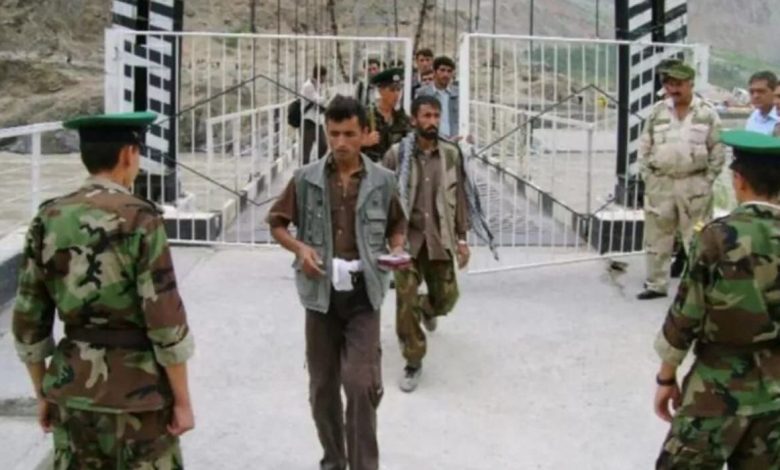
A recent report by Caspian Post highlights growing insecurity along the Afghanistan-Tajikistan border, particularly following the killing of five Chinese workers, raising serious concerns about the future of Chinese investments in the region.
According to the report, two armed attacks occurred on November 26 and 30 near the border of the two countries, resulting in the deaths of five Chinese citizens and injuries to five others. Tajik media, citing local sources, stated that the attackers crossed from Afghan territory into Tajikistan.
Tajik officials have attributed these incidents to drug smugglers and criminal networks. The Taliban administration announced the arrest of two suspects but has yet to provide clear information regarding their identities, affiliations, or motives. No group has officially claimed responsibility for the attacks.
This situation has heightened China’s concerns over the safety of its citizens and economic projects in Central Asia. Chinese diplomats in Dushanbe and Kabul have called for immediate and effective measures to secure workers and Chinese investments—a demand that once again highlights the security weaknesses in border areas controlled by the Taliban administration.
Analysts warn that ongoing instability could threaten China’s projects, especially in the mining and natural resource extraction sectors. The Panj River corridor, home to several mining projects, is considered a sensitive area. The Tajik-Chinese joint venture “Shohin SM” has been operating in this zone since 2023, and local sources report that disputes over altering the river’s course for mining purposes have intensified local tensions.
Some experts speculate that groups such as ISIS-Khorasan Province, the East Turkestan Islamic Movement, or Jamaat Ansarullah might be behind the attacks. They argue that targeting foreign workers does not align with the typical patterns of drug smugglers and could be aimed at damaging China’s interests or weakening its relations with the Taliban administration and the Tajik government.
In response, Chinese embassies have urged their citizens to avoid travel to border regions. Meanwhile, the Taliban administration has announced plans to establish a special military unit to protect mines and economic projects—a promise met with skepticism given the ongoing insecurity.
Observers emphasize that until the main perpetrators of these attacks are clearly identified, an atmosphere of uncertainty will persist. This not only endangers the lives of Chinese workers but also threatens the future of Chinese investments and the fragile stability of Central Asia.