Abdul Ghani Baradar Claims No Opposition Exists in Afghanistan Amid Taliban Rule
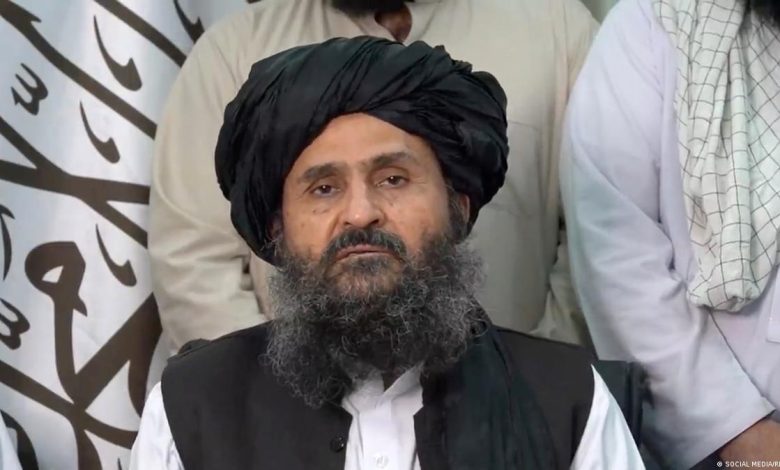
Abdul Ghani Baradar, the Deputy Prime Minister for Economic Affairs in the Taliban administration, stated that there is no parallel or opposing faction threatening Taliban rule in present-day Afghanistan, asserting that the country’s political situation is stable.
The Taliban official made these remarks on Monday during the graduation ceremony of the first cohort of the Kandahar Islamic Darul Uloom. He said that the current political power in Afghanistan is “stable and balanced,” and in his view, conditions have been created for economic progress and participation across various sectors.
These statements come as the Taliban government approaches more than four years in power, yet it continues to lack national and international legitimacy, with only one country officially recognizing the administration. At the same time, multiple reports point to ongoing activities by military and political groups opposing the Taliban, casting doubt on Baradar’s claim of the absence of opposition.
The international community conditions formal relations with the Taliban administration on the formation of an inclusive government and the lifting of broad restrictions against women and girls, especially in education and work. These limitations remain one of the most serious violations of fundamental rights and continue to be key political and diplomatic challenges for the Taliban.
In another part of his speech, Abdul Ghani Baradar described Afghanistan from an economic and political perspective as “a great opportunity” for regional and global countries and warned that this opportunity should not turn into a threat. He emphasized that, according to the Taliban, ensuring nationwide security and political stability has created a foundation for investment, expanding economic cooperation, and regional engagement.
The Deputy Prime Minister for Economic Affairs called on world countries to engage with Afghanistan constructively instead of responding with “mistrust and pressure” and to seize existing economic opportunities. However, this appeal still faces cautious reactions from the international community amid continued political and social restrictions, particularly those targeting Afghan women.