Taliban Leader Hebatullah Akhundzada Removes and Reassigns Dozens of Officials
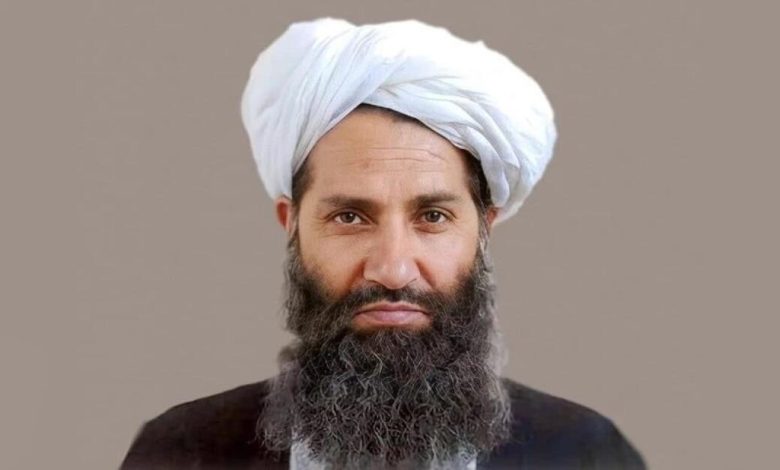
In a continued move to centralize authority under the Taliban leader, Hebatullah Akhundzada has issued a new decree removing and reassigning dozens of judicial officials, deputy ministers, and department heads within the group’s administration.
According to an order published on Thursday, August 8, by Zabihullah Mujahid, the Taliban administration’s spokesperson, the former head of the Kandahar military court zone has been appointed as the military deputy of the Supreme Court, while the former military deputy of the Supreme Court has been assigned as the Director General of the Central Darul Ifta. Additionally, the former head of Darul Ifta has been appointed as the military deputy of the Ministry for the Promotion of Virtue and Prevention of Vice.
Significant changes have also been made in administrative and economic departments. The former technical and professional deputy of the General Directorate of Municipalities has been named deputy of Revenue and Customs of the Ministry of Finance. The former deputy of the Railways Department of the Ministry of Public Works has been appointed as the financial and administrative deputy of the Ministry of Mines, and the former deputy of Revenue and Customs of the Ministry of Finance has been appointed as the deputy of Geological Survey at the Ministry of Mines.
The Taliban leader has also appointed the former deputy of Policy, Supervision, and Evaluation at the General Directorate of Emirate Companies as the technical deputy of the Ministry of Mines; the former deputy of Emirate Affairs Coordination of the Administrative Affairs Directorate as deputy governor of Kandahar; and the former financial and administrative deputy of the Ministry of Mines as the technical and professional deputy of the General Directorate of Municipal Affairs.
The new decree named the former head of Public Works in Kandahar province as the head of the Oil and Gas Operations Company under the Ministry of Mines; the former commercial head of the Oil and Gas Company as its financial and administrative deputy; and the former deputy governor of Kandahar as the head of Mine Protection for the Ministry of Mines. Several other reassignments have also been made within the Central Darul Ifta and the Supreme Court.
According to the decree, the former judge of the Kabul military court zone has been appointed head of the Kandahar military court zone, and the former judge of Shahrak district in Ghor province has been appointed as the intelligence section judge for the Kabul military court zone. Furthermore, changes have been implemented in the command supervision and enforcement directorate of Kandahar province, as well as at Paktya University.
Since the Taliban administration returned to power, Hebatullah Akhundzada has directly held the authority to appoint and dismiss administrative officials, judges, and commanders. He regularly issues separate orders to reshuffle the group’s officials; a process that reflects an unprecedented centralization of the administrative and judicial structure within the office of the Taliban leader.