Afghanistan’s Barshna Ensures Steady Power Supply in Southern Provinces Despite Water Shortages
Afghanistan’s power company, Barshna, has announced that despite a significant reduction in water resources and the impacts of climate change, it has been able to provide electricity to the southern provinces of the country in a relatively steady and orderly manner. The company stated that electricity generated from the Kajaki dam and alternative sources has supplied parts of Kandahar and Helmand provinces.
According to Barshna officials, approximately 15,000 megawatt-hours of electricity were produced from the Kajaki hydroelectric dam in the month of Qaws 1402 (November-December 2023) and connected to the national grid. This amount of energy has fed parts of Kandahar and Helmand provinces and prevented a complete power outage in these areas.
Barshna added that alongside hydroelectric power, nearly 10,000 megawatt-hours of energy were also produced from solar and thermal sources. Safiullah Ahmadzai, the company’s Chief Operations Officer, stated that about 4,600 megawatt-hours of electricity entered the system solely from solar sources, helping to reduce shortages.
According to the provided information, for the year 1404 solar calendar (2025), close to 14 million liters of diesel fuel have been allocated for electricity production in the southern provinces; this measure is considered an alternative solution during reduced output from the Kajaki dam and water scarcity.
The Chief Operations Officer emphasized that the electricity supply in Kandahar and Helmand has not been completely cut off so far, and the company has implemented necessary measures to prevent widespread blackouts. He described a nearly 50% drop in water levels compared to last year as a direct consequence of climate change, which has affected electricity production.
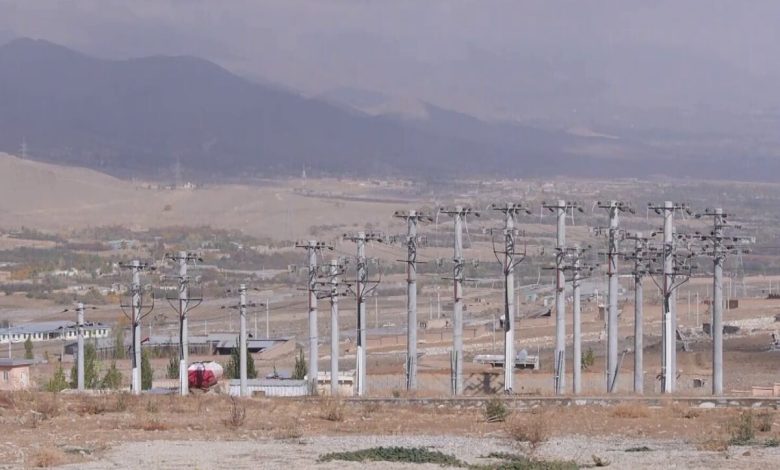
Meanwhile, Barshna reported progress in the 220-kilovolt transmission line project from Ghazni to Kandahar, stating that construction of associated substations has reached over 90% completion. Officials have said that once the project is finalized, it will allow the transmission of imported electricity to the southern provinces.
However, electricity shortages remain one of the country’s major challenges. Some economic experts note that without sustainable investment in domestic energy production, self-sufficiency in the power sector will not be achievable.
Mohammad Nabi Afghan, an economic expert, stated that Afghanistan has good potential in hydro, solar, and wind energy sectors, but the Taliban administration must develop a clear and guaranteed strategy for investors to provide a secure environment for investment in these areas.
According to Barshna’s information, electricity in the southern provinces is currently supplied on average up to 18 hours a day, with 12 hours allocated to industrial parks, followed by distribution to residential, commercial, and public areas.