Severe Water Shortage Disrupts Daily Life in Nawa, Ghazni District
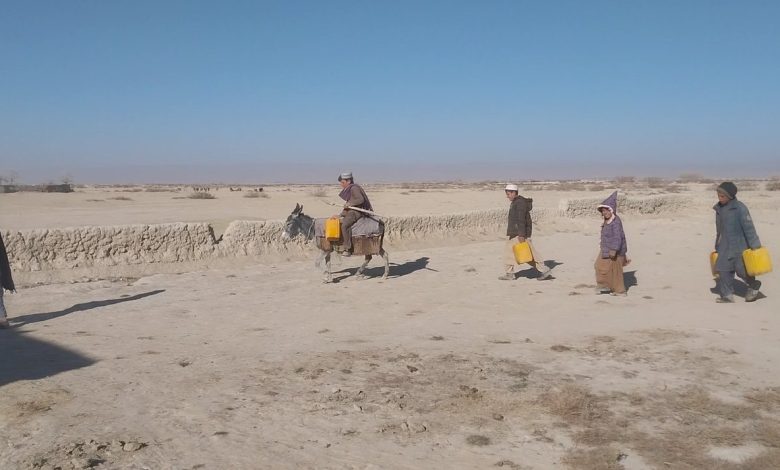
In several villages of Nawa district in Ghazni province, a severe shortage of drinking water has become one of the main challenges affecting residents’ daily lives. In the villages of Nawabkhil, Salamkhel, and Angar, families are forced to walk from half an hour up to several kilometers every morning just to obtain a bucket of water.
According to local residents, in these three villages, home to approximately 450 families, wells that were once the main source of water have either completely dried up or provide water only for a short period. The number of active wells has dwindled to about ten, some of which offer water for only half an hour, forcing people to wait over an hour to collect a small amount of water again.
The water scarcity has not only made access to drinking water difficult but has also pushed agriculture and livestock farming to the brink of collapse. The karezes (traditional underground irrigation tunnels) that have irrigated farmland for years have reportedly been dry for over a decade. Although some families have deepened wells and installed solar-powered pumps, water levels remain low.
Meanwhile, only a small number of wealthy families have been able to irrigate their lands on a limited scale, while the majority of residents have been deprived of continuing agriculture and livestock rearing. This situation has severely undermined the primary livelihood source of the people and expanded poverty.
Experts say the drying up of water sources is the result of climate change and ineffective water management in recent years, a situation that carries wide-ranging economic, social, and health consequences. At the same time, UNICEF has warned that nearly 80 percent of Afghanistan’s population uses unsafe water, a warning that, in the absence of proper planning and effective action by the Taliban administration, has made the situation in vulnerable villages like Nawa even more concerning.