UN OCHA Reports 21.9 Million Afghans to Need Humanitarian Aid in 2026
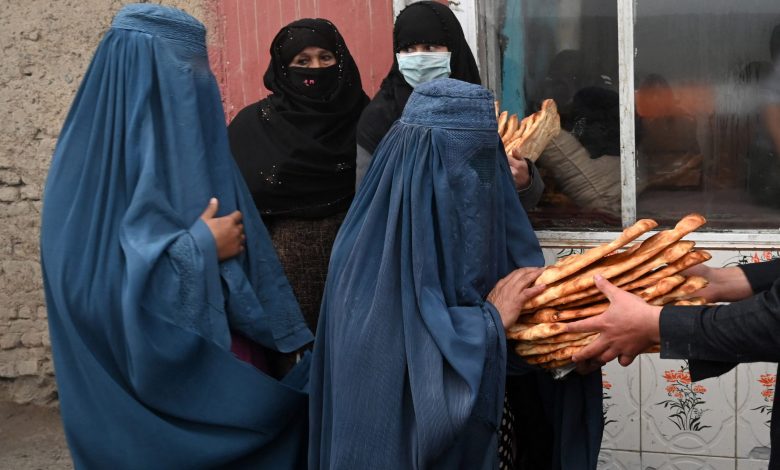
The United Nations Office for the Coordination of Humanitarian Affairs (OCHA) has announced that 21.9 million people in Afghanistan will require humanitarian assistance in the coming year. Although this figure represents a relative decline, Afghanistan remains among the countries with the highest levels of non-conflict-related humanitarian needs worldwide.
According to the report, humanitarian partners have targeted aid delivery to approximately 17.5 million people to address urgent needs, requesting a budget of around $1.72 billion USD for this purpose. OCHA notes this figure marks a 4% decrease from 2025, but emphasizes that a reduced budget does not equate to a diminished crisis.
OCHA identifies drought caused by climate change, the widespread return of migrants, earthquakes, and successive floods as the main challenges facing Afghanistan. The agency reports that the drought conditions persist, severely affecting 12 provinces and impacting about 3.4 million people. Forecasts indicate that below-average rainfall and higher-than-average temperatures are expected to continue until early 2026.
The report further states that food insecurity has significantly worsened and predicts that around 17.4 million people will face acute food insecurity in 2026, placing the livelihoods of millions of families at serious risk.
Expressing concern over extensive restrictions on women and girls, OCHA stresses that these limitations, alongside ongoing contamination from unexploded ordnance, gender-based violence, child labor, and early marriages, have complicated the humanitarian crisis further. Critics argue that the Taliban administration’s policies, particularly regarding women, have undermined equitable access to aid and the capacity of communities to respond effectively.
The report also highlights large-scale cross-border returns, noting that in 2025 alone, over 2.61 million Afghan citizens returned from Iran and Pakistan. This trend has put significant pressure on host communities, basic services, and livelihood opportunities.
According to OCHA, planned aid efforts in 2026 will focus on life-saving and protective interventions, including food provision, shelter, healthcare, nutrition, clean water, sanitation, and cash assistance for the most vulnerable populations.