Taliban Shifts from Cautious Neighborly Relations to Strategic Alliance with the US
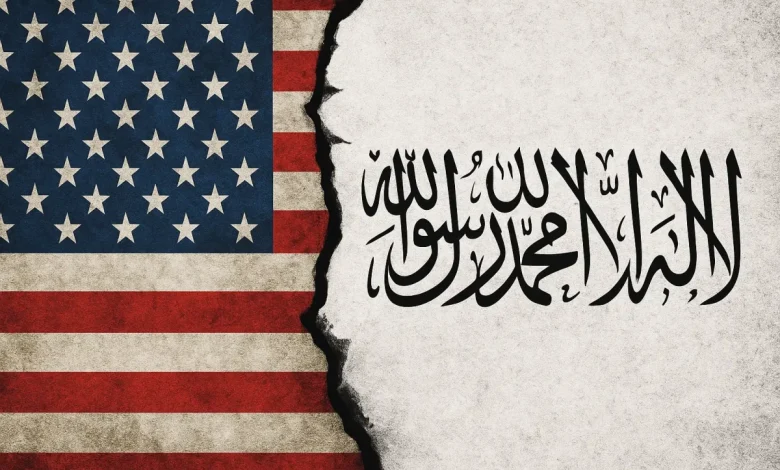
The Taliban’s entry into a new level of relations with the United States has direct consequences for its relations with neighboring countries.
Zakir Jalali, an official from the Taliban’s Ministry of Foreign Affairs, while Zalmay Khalilzad was visiting Kabul and meeting with Amir Khan Muttaqi, emphasized that there is no particular complexity between the US and the Taliban and highlighted the ‘significant’ role of the United States in important infrastructure projects, including Kandahar Airport and the Kajaki Dam in Helmand province.
Jalali’s remarks, both technical and meaningful, officially unveiled part of the depth of the Taliban’s relationship with the United States and demonstrated Washington’s direct role in various areas of engagement with the group.
However, he cleverly avoided commenting on the impact of these interactions on the Taliban’s relations with neighboring countries.
The disagreements between the US and regional countries are such that they cannot align on regional strategic issues, and weaker powers, unable to balance friendship with both sides, are forced to side with one of the powers.
According to the Doha Agreement, the Taliban, in exchange for gaining power and territory, pledged not to engage in serious cooperation with America’s enemies. For this reason, their relations with neighbors, especially US rivals—China, Iran, and Russia—have been tactical and cautious (likely with US approval during Doha negotiations) to avoid potential opposition.
Now that the Taliban believe they have solidified the foundations of their governance, the phase of shifting from tactical interactions with neighbors to strategic engagements with the US has arrived.
This decision by the Taliban was inevitable because Afghanistan’s neighbors cannot bear the costs for the Taliban as the US does.
From the Taliban officials’ perspective, who share no fundamental differences with the US, siding with America and turning their back on regional powers is a careful political strategy to ensure survival.
The main question remains whether the US will also demand from its ‘payroll ally’ to threaten the interests of its adversaries. It seems that this too will happen soon.
Seyed Ahmad Mousavi, Correspondent