Pakistan and Afghanistan Cautiously Seek to Reduce Security Tensions Amid Rising Concerns
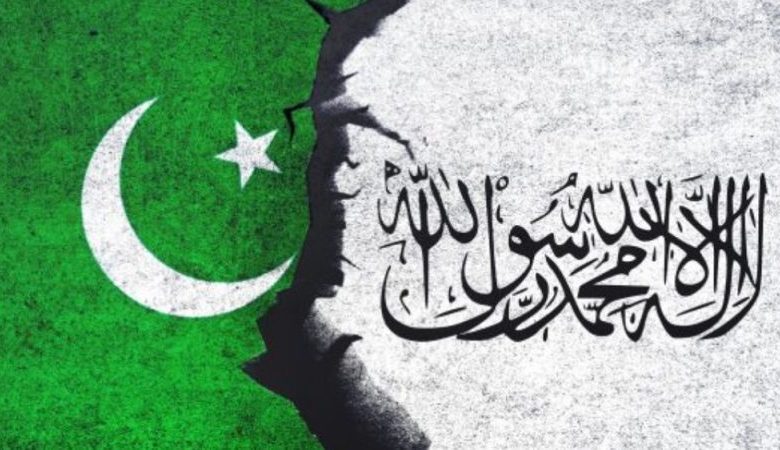
According to a report by the Express Tribune, Pakistan and Afghanistan have initiated a new but cautious effort to ease tensions in response to growing security concerns, particularly related to the activities of Pakistan’s Tehrik-i-Taliban.
Sources familiar with the matter told the media outlet that despite persistent security disagreements, mediation by several countries has softened the official tone between the two sides, with a renewed emphasis on dialogue rather than confrontation. According to these sources, the main goal of this approach is to create a positive environment for diplomatic talks.
Within this framework, the recent fatwa issued by Afghan religious scholars in Islamabad is considered one of the initial confidence-building steps. The report adds that mediators have urged the ruling authorities in Kabul to take more concrete actions, including issuing a fatwa and providing a clear, unambiguous statement from the Taliban leadership to address Pakistan’s security concerns. This request reflects ongoing ambiguity and a lack of transparency in the security policies of the Taliban administration.
Conversely, Geo News, citing a U.S. think tank, has warned about the fragility of this process. The U.S. Council on Foreign Relations stated that continued or increased attacks from Afghan soil against Pakistan could once again escalate tensions between the two neighbors.
In this assessment, the likelihood of conflict between Pakistan and Afghanistan is considered “medium,” with a “low” impact level; however, it warns that the simultaneous disputes Pakistan has with both India and Afghanistan could lead to armed conflict in 2026, potentially making South Asia one of the world’s most volatile regions.
Meanwhile, Mahmood Khan Achakzai, leader of the Pashtunkhwa Milli Awami Party, stated in a program that Afghanistan enjoys more security and justice compared to Pakistan and emphasized that Pakistan cannot impose its demands on the Afghan people.