UN Report Highlights Economic Impact of Opium Cultivation Ban in Afghanistan’s Badakhshan, Balkh, and Kunduz
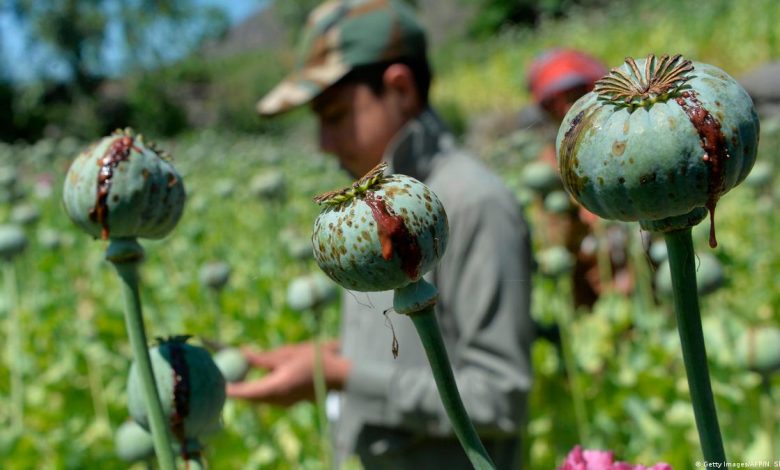
The United Nations Office on Drugs and Crime (UNODC) has reported that the ban on opium poppy cultivation in the provinces of Badakhshan, Balkh, and Kunduz has been widely observed. However, the economic consequences of the ban continue to weigh heavily on the lives of farming families.
According to a survey by the agency, 85 percent of families in these provinces have either found no alternative sources of income to replace the earnings from opium poppy cultivation or have only managed to partially compensate for their lost income. This situation indicates that economic pressure on farmers and landowners remains severe.
UNODC further states that only 15 percent of families have succeeded in offsetting their losses through alternative livelihoods. This limited figure underscores the inequality in access to economic opportunities.
The agency emphasized that the Taliban administration’s ban on opium poppy cultivation, implemented without effective livelihood support programs, has placed many rural residents in vulnerable economic conditions. There is an urgent need for targeted support to assist farmers and affected families.