Closed Torkham Crossing Has Not Affected Nangarhar’s Vegetable Market Stability
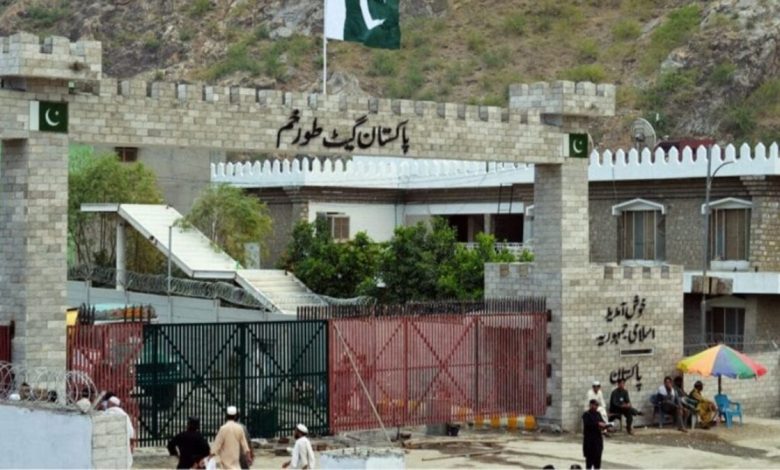
Local officials in Nangarhar report that the closure of the Torkham crossing for nearly three months has not negatively impacted the supply or prices of vegetables in the province. According to them, the vegetable market has not experienced significant changes compared to previous years, and domestic production has been sufficient to meet market demand.
The Nangarhar Department of Agriculture, Irrigation, and Livestock states that the province has achieved a level of self-sufficiency in vegetable production. Officials emphasize that increased domestic output has reduced dependence on imports, with Nangarhar’s vegetables also being transported to other provinces across the country.
Estanegul Shirzad, Deputy of the Fresh Fruits and Vegetables Union in Nangarhar, says that the closure of the Torkham route has caused no disruption in the market. According to her, production volumes are sufficient that even products initially intended for export have been redirected to domestic markets since the route’s closure, resulting in no shortage.
In addition to increased production, the establishment of cold storage facilities has played a significant role in preserving vegetables. Officials note that several cold storages have been built in cooperation with the private sector, with a combined capacity to store approximately 3,500 to 4,000 tons of agricultural products.
Ajmal Subhani, spokesperson for Nangarhar’s Department of Agriculture, Irrigation, and Livestock, adds that a large cold storage facility with a capacity of 5,000 metric tons is still under construction, with efforts ongoing to complete it. He mentions that plans to further expand such infrastructure are underway.
Following the closure of the route with Pakistan, the Deputy Economic Officer of the Taliban’s Prime Minister’s office has urged traders to invest in building cold storage facilities within the country. According to this directive, cold storage builders will receive several years of tax exemption, and the Barqshna company has been tasked with providing permanent electricity to these centers. However, traders consider these measures insufficient and continue to demand further expansion of cold storage facilities in Nangarhar.