Border Closures Trap Khyber Pakhtunkhwa Students in Kabul, Affecting Their Education and Well-being
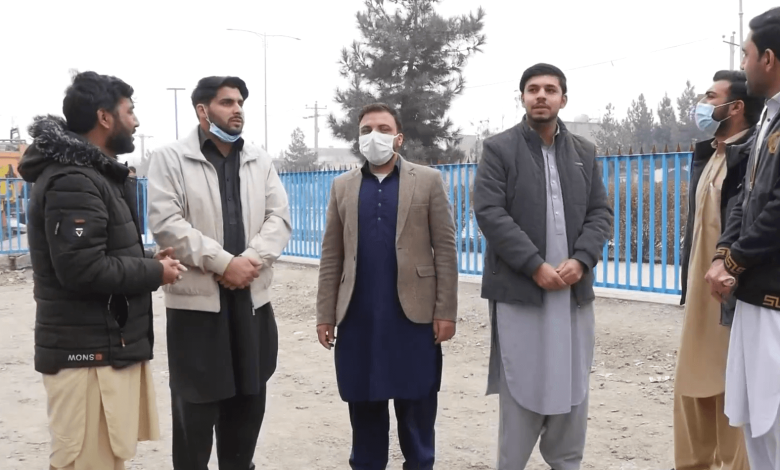
A number of students from Pakistan’s Khyber Pakhtunkhwa province studying at private universities in Kabul say that after completing their exams, they are effectively unable to return home due to the closure of land routes between Afghanistan and Pakistan, leaving them stranded in Kabul.
According to these students, the ongoing situation has caused them serious economic difficulties and psychological stress. They emphasize that the cost of air travel is unaffordable for most students, and the closed routes are severely impacting their families and their academic futures.
These students have urged the Pakistani government to reopen land routes as soon as possible or to provide practical solutions for students’ travel. They warn that prolonged restrictions could lead to dropping out of school or significant damage to their educational progress.
On the other side, several Afghan students studying in Pakistani universities have also reported that travel restrictions have disrupted their education and academic programs. This indicates that the consequences of the closed routes are mutual and directly harm students’ right to education in both countries.
Earlier, Iftikhar Hussain, head of the Awami National Party in Khyber Pakhtunkhwa, stated that more than three thousand students from this province are facing serious problems in Afghanistan. He called on the Pakistani government to operate special flights to facilitate students’ return and urged that political disputes and strict policies be set aside.
Additionally, the Khyber Pakhtunkhwa provincial assembly had previously passed a resolution supporting the return of students stranded in Afghanistan. Nevertheless, the continued closure of routes—especially in areas controlled by the Taliban—has drawn criticism and raised questions as to why responsible authorities, including the Taliban administration, are not taking effective, transparent, and coordinated actions to guarantee the right to travel and access to education.