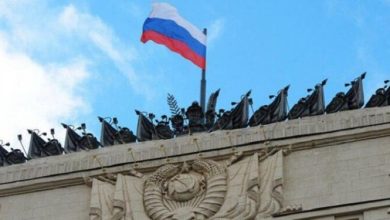
Zelensky Proposes 20-Point Ceasefire Plan to End War with Russia
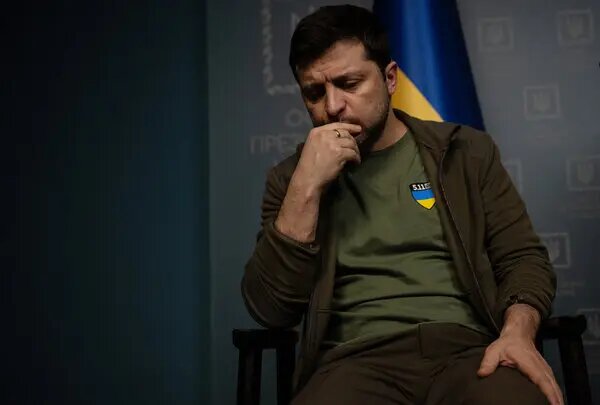
Volodymyr Zelensky, the President of Ukraine, has unveiled a 20-point ceasefire plan aimed at halting the war with Russia. The proposal firmly upholds Ukraine’s political and territorial interests, refusing any concessions on NATO membership or territorial cessions.
According to Ukrainian media reports, the plan calls for the withdrawal of Russian forces from the Dnipropetrovsk, Mykolaiv, Sumy, and Kharkiv regions, while Kiev declines to commit to pulling its troops from the Donbas region. The document also stresses the non-recognition of Russia’s annexation of Crimea and the Donbas territories.
On security matters, Zelensky requests guarantees equivalent to NATO’s Article 5 and insists that no clauses should prevent Ukraine’s accession to the alliance. Joining the European Union is also highlighted as a strategic goal for Ukraine within the plan.
The proposal recommends restoring joint Ukrainian-American control over the Zaporizhzhia nuclear power plant and states that Kiev is only willing to discuss creating a “free economic zone” in Donbas with U.S. support if a nationwide referendum is held.
Other points include Ukraine’s commitment to remain non-nuclear, continuation of martial law and military mobilization without immediate cancellation, and setting the peacetime armed forces at a maximum strength of 800,000 personnel. The plan also calls for accelerating the signing of a free trade agreement with the United States and launching a reconstruction package through a separate investment agreement.
In social and legal spheres, there is emphasis on prisoner exchanges based on the “all-for-all” principle, the return of civilians, children, and political prisoners, and inclusion of educational programs to promote intercultural tolerance. The document also mentions implementing a non-aggression agreement, international monitoring of the contact line, and ensuring Ukraine’s commercial rights to use the Dnipro River and the Black Sea.
Zelensky’s plan calls for a public referendum, a move observers view as both transferring decision-making responsibility to the people and creating conditions for a temporary ceasefire. The document concludes that following the signing of the agreement, elections should be held as soon as possible, and oversight of the agreement’s implementation assigned to a “Peace Council” led by U.S. President Donald Trump. Given the plan’s unilateral nature, it is considered unlikely to be accepted by Russia.