Pakistani Islamic Scholars Call for Direct Dialogue Between Islamabad and Kabul Amid Rising Tensions
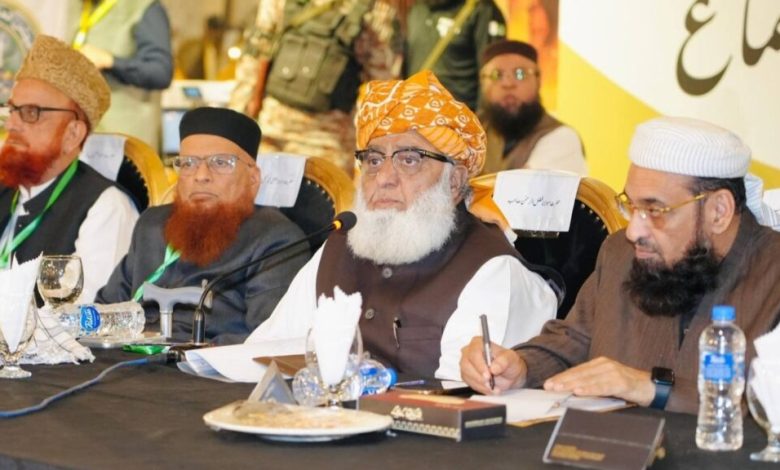
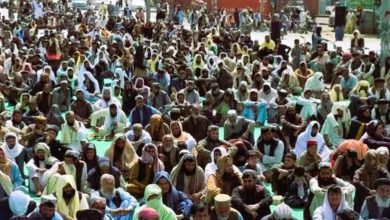
A gathering of Pakistani Islamic scholars, led by Maulana Fazlur Rehman, leader of Jamiat Ulema-e-Islam, expressed concern over escalating tensions between Pakistan and Afghanistan and emphasized that direct dialogue between officials of the two countries is the only practical and lasting solution to overcome the current crisis.
The meeting, held under the name “Unity of the Pakistan Ummah,” took place on Monday, December 22, in Karachi. According to a report by Alkhair Media, participants described the tense situation between the two neighboring countries as worrisome and called for resolving disputes through dialogue.
The statement issued from the meeting stated that historical experience shows that the problems of nations and countries are resolved through mutual dialogue and that under current circumstances, there is no acceptable and durable alternative to direct talks. The participating scholars stressed that continued tension would harm the people of both countries.
In another part of the declaration, Pakistani and Afghan authorities were urged to seek positive and practical solutions to all challenges to restore normal relations between the neighboring countries and reopen avenues for travel and trade, which are considered beneficial for both sides.
This comes after Pakistani forces violated Afghan territory and launched attacks on certain areas about two months ago, prompting a response from Taliban forces. Following these events, multiple rounds of talks between Kabul and Islamabad were held in Qatar, Turkey, and Saudi Arabia, but these negotiations failed to yield any tangible results.
Zabihullah Mujahid, spokesman for the Taliban administration, previously stated that due to what he described as irresponsible behavior and lack of cooperation from the Pakistani delegation, talks in Turkey ended without success despite mediators’ efforts. However, critics believe that a lack of transparency, continued military approaches, and the Taliban administration’s inability to diplomatically manage the crises have significantly contributed to the ongoing deadlock.