CSTO Security Meeting in Bishkek Highlights Afghanistan and Tajikistan Border Security
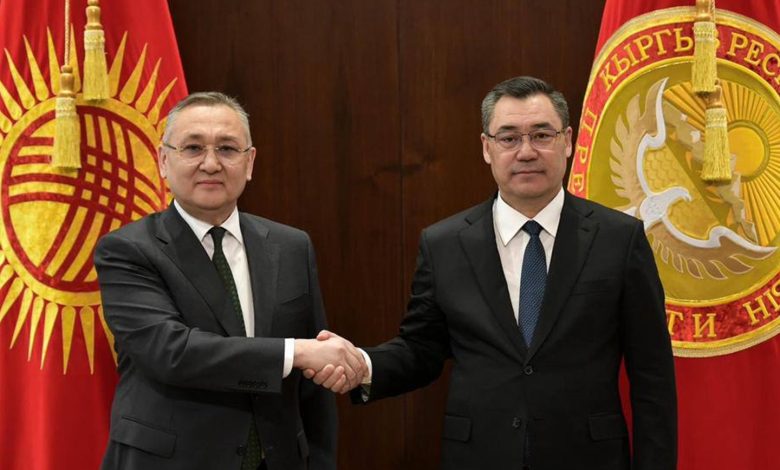
The Collective Security Treaty Organization (CSTO) has announced that its Secretary-General met with the President of Kyrgyzstan in Bishkek to discuss key regional and global security and political developments. The meeting focused on the situation in Afghanistan, security along the Tajikistan border, and ongoing Middle East negotiations.
According to the released statement, Talatbek Masadikov met with Kyrgyz President Sadyr Japarov, with both sides emphasizing security cooperation within the framework of the CSTO. The discussion also touched upon the importance of establishing peace in the Middle East and the progress of talks between Iran and the United States.
During the meeting, Afghanistan was described as a country that must move towards lasting stability and peace, with a focus on the Kabul authorities’ commitment to addressing security challenges. This comes amid continuing regional and international concerns over security conditions and cross-border threats following the Taliban’s takeover of Afghanistan.
The CSTO Secretary-General also reported advancements in security enhancement programs along the Tajikistan-Afghanistan border and stated that efforts to reduce threats in this area continue. This border has been one of the most sensitive security points in Central Asia in recent years.
In conclusion, both sides stressed expanding joint cooperation within the CSTO framework, with Kyrgyzstan expressing its readiness to strengthen security collaboration.