Child Labor in Balkh: Scavenging for Survival Amid Worsening Poverty

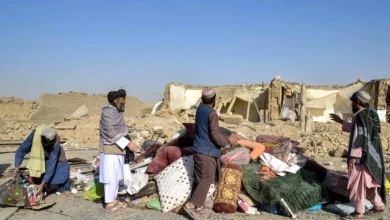
In Balkh province, worsening poverty and lack of job opportunities have forced many children and teenagers to take on hazardous and demanding work, such as collecting waste and plastics, just to meet their families’ basic needs. This situation has sparked serious social and health concerns.
Residents of Mazar-i-Sharif city report that the absence of proper jobs and wages compels them to work from early morning until evening in polluted urban areas.
Doctors warn that direct contact of children with waste significantly increases the risk of infectious diseases. Dr. Mostafa Khoshival states that diseases such as hepatitis A and B, and even HIV/AIDS—especially through contact with contaminated needles—are potential consequences of this type of work, threatening the health of an entire generation.
Economic experts trace the root of this situation to decades of war and instability that have destroyed the country’s economic infrastructure and severely limited employment opportunities. According to Qutbuddin Yaqubi, ongoing conflicts have paralyzed commercial activities and pushed families into chronic poverty.
Meanwhile, Taliban officials claim to have taken steps to create job opportunities. The spokesperson for the Ministry of Labor and Social Affairs mentions holding meetings to regulate the labor market, but critics argue these efforts have failed to stop child labor in practice and highlight structural incapacity in protecting children’s rights and ensuring minimum family livelihoods.