Senior Taliban Official Urges Global Community to Expand Ties with Afghanistan
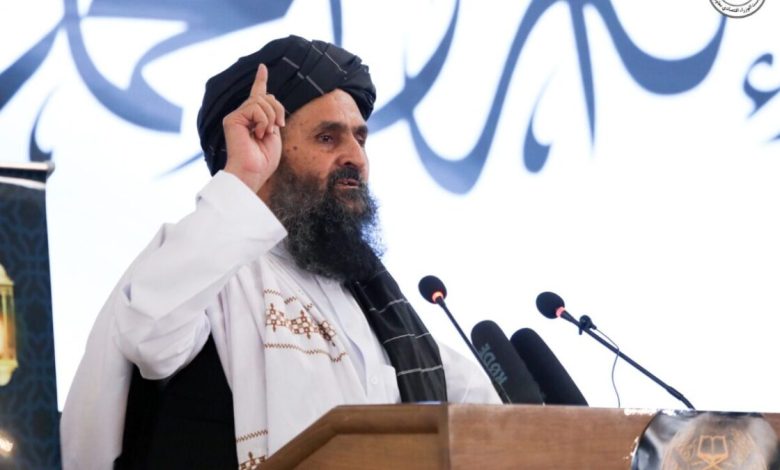
Abdul Ghani Baradar, the Taliban administration’s Deputy Prime Minister for Economic Affairs, on Saturday called on the international community to expand their ties with Afghanistan instead of continuing what he described as “unjustified sanctions and pressure.”
Speaking at the inauguration ceremony of a commercial market in Balkh province, Baradar claimed that strengthening Afghanistan’s economy would not only pose no harm to regional and global countries, but could also contribute to their prosperity and stability. He stressed that the Taliban administration supports regional and international economic and political cooperation, provided such engagement is based on mutual respect.
Baradar also stated that the Taliban’s collaboration with the private sector on large-scale, long-term projects—particularly through public-private partnership contracts—demonstrates that opportunities for domestic and foreign investment in Afghanistan are available. However, many investors remain cautious due to lack of transparency, legal safeguards, and political stability.
According to officials, the eight-story commercial market is being constructed on a 600-square-meter plot of land owned by the Ministry of Guidance, Hajj and Religious Affairs, and will include 870 shops, four restaurants, a guesthouse, a mosque, and a parking lot. The construction cost is estimated at 743 million Afghanis, and the project is scheduled for completion within two years.
The Taliban has announced that the project will generate 43 million Afghanis annually in rent revenue for the government. However, economic analysts warn that infrastructure development projects alone cannot compensate for the lack of structural reforms and international trust-building.
Baradar’s remarks come at a time when many countries around the world—including Afghanistan’s neighbors—have expressed growing concern over increasing security threats and terrorist activities originating from Afghan territory. These concerns remain a major obstacle to normalizing relations with the Taliban regime.
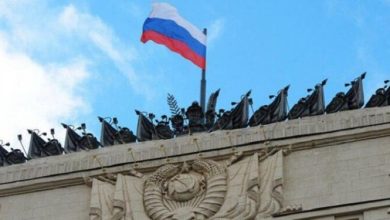
Nearly four and a half years after the Taliban’s return to power, most countries—except for Russia—have yet to officially recognize the group as the legitimate government of Afghanistan. This lack of recognition has significantly hindered Afghanistan’s access to global financial systems, trade, and foreign investment.
The international community has repeatedly emphasized that effective action against terrorism and drug trafficking, respect for human rights—especially women’s rights—and the formation of an inclusive government representing all segments and political factions of Afghan society are key conditions for recognition and expanding relations with the Taliban.