UN Rejects Taliban Claim of No Terror Groups in Afghanistan
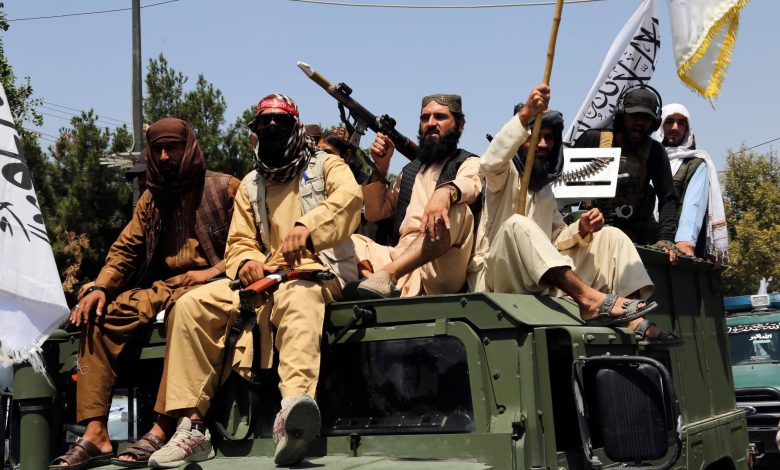
The United Nations Security Council has dismissed the Taliban administration’s claim that there are no terrorist groups in Afghanistan, emphasizing in a new report that the country remains a host to various extremist networks.
The report, prepared by the UN’s Analytical Support and Sanctions Monitoring Team and submitted to the Security Council on Wednesday, December 16, confirms the presence of groups such as Tehrik-i-Taliban Pakistan (TTP), al-Qaeda, ISIS, the East Turkestan Islamic Movement, Jamaat Ansarullah, and the Pakistan-based United Mujahideen across different regions of Afghanistan.
According to the report, the de facto authorities in Afghanistan consistently deny the existence or activity of any terrorist groups on the ground. However, the UN finds this claim “not credible” and inconsistent with factual realities.
The assessment indicates that al-Qaeda continues to maintain close ties with the Taliban leadership and operates quietly yet steadily in several Afghan provinces. This situation has sparked serious security concerns at both regional and international levels.
The report identifies Tehrik-i-Taliban Pakistan as the most significant threat to regional stability. It notes that the group has sustained its military operations using safe havens within Afghanistan, allegedly supported by elements within the Taliban apparatus.
The UN states that TTP has conducted numerous high-level attacks from Afghan territory against Pakistan, creating a major source of tension between the Taliban administration and Islamabad.
According to the UN’s estimates, approximately 6,000 TTP fighters are currently based in Afghanistan, mainly in the provinces of Khost, Kunar, Nangarhar, Paktika, and Paktia. This raises serious questions about the Taliban’s commitment to counterterrorism efforts.
Despite these findings, the Taliban administration has repeatedly and officially denied the presence of terrorist groups on Afghan soil—a claim that international reports continue to strongly dispute.