Afghan Women Turn to Small Businesses Amid Taliban Restrictions
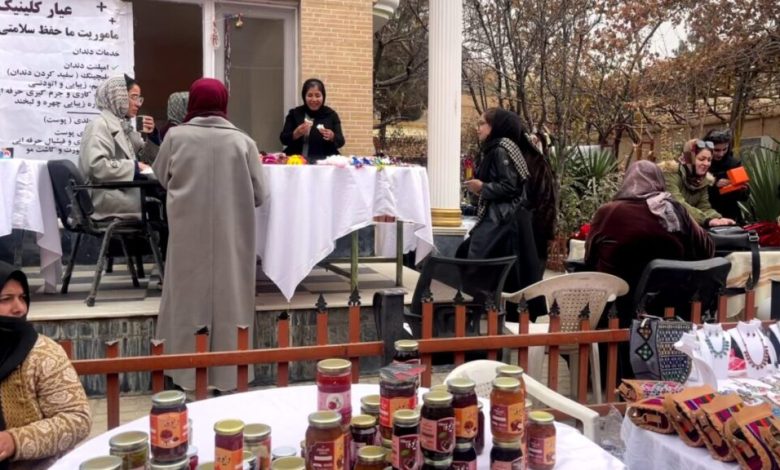
The International Crisis Group has reported that despite the Taliban’s sweeping restrictions on women’s social and professional participation, an increasing number of Afghan women are turning to small businesses to support their livelihoods.
According to the report, these ventures, mostly conducted within the private sector and from home, have become the only viable option for many women to remain economically active. Following the ban on women working in NGOs and the closure of beauty salons, many women have begun producing handicrafts, homemade goods, and processed food items.
The report notes that online commerce has played a crucial role in sustaining these activities, allowing women to reach customers without appearing in public spaces. The Crisis Group states that while the number of registered business licenses for women has increased, many are forced to operate from home without official permits.
One of the most significant barriers for female entrepreneurs, the report highlights, is the requirement to have a male guardian (mahram) for travel and official visits, which hinders interactions with government agencies and complicates business operations. Although the Taliban has not imposed a formal ban on women’s businesses and has, in some cases, allowed female participation in trade exhibitions, administrative hurdles and travel restrictions have effectively limited their economic engagement.
The Crisis Group has urged the Taliban administration to ease mobility and bureaucratic constraints for women to bolster the national economy. It also calls on the international community to support women’s businesses through financial aid, vocational training, and online marketing assistance.
The report concludes that targeted support for women’s entrepreneurship offers one of the few remaining opportunities to provide hope for Afghan women and help revive the country’s struggling economy.