Pakistani Religious and Political Leaders Call for Improved Ties with Afghanistan and Iran
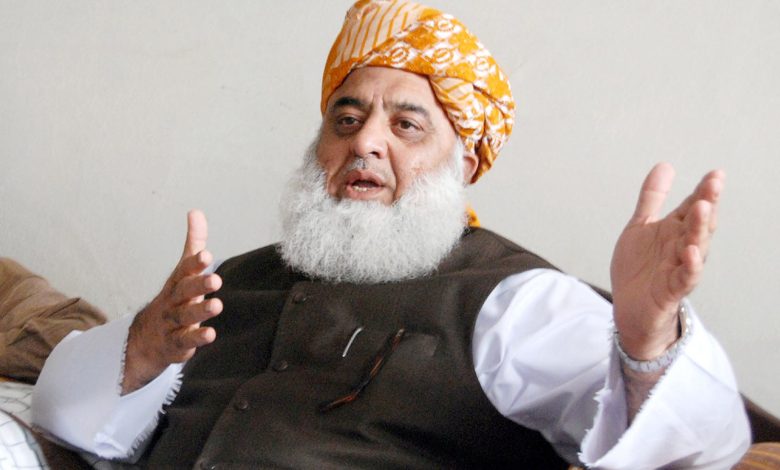
Maulana Fazlur Rehman, the leader of Pakistan’s Jamiat Ulema-e-Islam (JUI), has announced the convening of a gathering titled ‘Majlis Ittehad-e-Ummat’ (Council for Unity of the Muslim Nation) in the city of Karachi. The meeting, attended by religious scholars and several Pakistani politicians, focused on enhancing Pakistan’s relations with Afghanistan and Iran.
Rehman stated that the gathering aimed to formulate collective strategies through dialogue to address current challenges in regional relations. He emphasized that if there are issues between countries, they should be resolved through structured and well-defined mechanisms, while also reinforcing friendly ties.
Meanwhile, Abdul Basit, Pakistan’s former ambassador to Germany, underscored that Islamabad should not rely solely on regional mechanisms when engaging with Afghanistan. He suggested that, with strategic patience and tactical foresight from both sides, numerous bilateral options are available to manage and improve their relationship.
Some political analysts in Pakistan have also highlighted the cultural and religious ties between the peoples of the two countries. Enayatullah Hamam expressed the view that a large portion of Pakistan’s religious community sympathizes with the Afghan people, and these connections could help ease tensions.
Another political analyst, Fazal Manan Mumtaz, warned that large-scale conflict between the two nations would benefit neither side. He noted that many politicians, political parties, and civil society organizations in Pakistan have come to recognize this reality.
These remarks come amid previous accusations by Zabihullah Mujahid, spokesperson for the Taliban administration, who claimed that certain factions within Pakistan’s military were attempting to stir tension between Kabul and Islamabad. The accusation reflects ongoing mistrust and the pressing need for transparency and accountability in bilateral relations.