Amnesty International Warns of Mass Deportation of Afghans in 2025
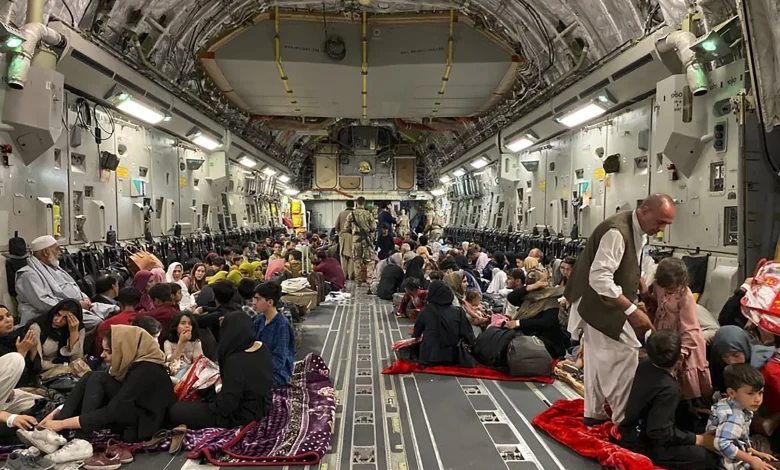
Amnesty International has reported that millions of Afghan citizens were forcibly and unlawfully deported in 2025 from several countries, including Pakistan, Iran, Turkey and Germany, and compelled to return to Afghanistan—an act that the organization says took place amid dire human rights conditions.
According to the report, these forced deportations occurred despite Afghanistan’s overall situation being unfavorable for returnees. Major human rights violations, including extensive restrictions on women, bans on their employment with United Nations agencies and NGOs, and the denial of basic rights, were highlighted as key concerns.
Amnesty International cited Article 33 of the 1951 Refugee Convention, emphasizing that no individual should be returned to a country where they face the risk of torture, inhumane treatment, or irreparable harm. The organization noted that many deportees face serious threats upon their return.
According to Amnesty, Afghan returnees are particularly vulnerable to two major threats: surveillance and harassment tied to former government employees, and discriminatory restrictions on women and girls. Interviews with deportees reveal that many former security personnel and civil servants are unable to return to their provinces or previous places of residence due to fears of retaliation.
Meanwhile, earlier United Nations reports have also confirmed that Taliban authorities have committed human rights violations against returnees. These reports identify women and girls, civil society activists, and former government employees as among the most vulnerable groups. They also warned that forced deportations are exacerbating the ongoing humanitarian crisis in Afghanistan.
However, the Taliban administration has consistently rejected such reports, claiming that citizens’ rights are protected under Islamic law. This position contrasts with statements from the UN Human Rights Office, which has noted that, more than 100 days later, restrictions on female staff working in UN offices in Afghanistan remain in place—hindering the delivery of vital aid to those in need.