EU and Germany Pledge €7 Million in Aid to Afghanistan Amid Deepening Humanitarian Crisis

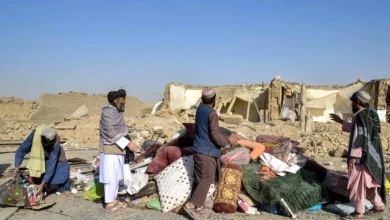
The European Union and Germany have jointly announced the allocation of a total of €7 million in new funding to support humanitarian assistance and economic programs in Afghanistan, as the country grapples with an escalating humanitarian crisis under Taliban rule.
According to the released information, Germany has contributed €2 million to Afghanistan’s humanitarian fund, which operates under the United Nations Office for the Coordination of Humanitarian Affairs (OCHA) and is designed to address urgent needs across various regions of the country.
Meanwhile, the World Food Programme (WFP) has warned that a severe shortfall in funding has forced it to significantly scale back its food assistance operations—putting millions of vulnerable Afghans at risk of hunger and food insecurity.
Additionally, the European Union has signed a €5 million agreement with the International Finance Corporation (IFC), a member of the World Bank Group. This agreement aims to implement a program called “Afghanistan Private Sector Stabilization,” which seeks to support livelihoods by revitalizing economic activity in the country.
The EU’s delegation in Kabul stated that the program is set to begin next month and will run for 42 months. However, experts underline that without political stability, the protection of citizens’ rights, and the lifting of the Taliban-led administration’s extensive restrictions, the effectiveness of such programs will face significant challenges.
Aside from these aid commitments, some analysts believe Europe’s increased attention to Afghanistan is primarily driven by concerns over a potential new wave of Afghan migration toward the West. Western nations have previously indicated plans to coordinate with the de facto authorities in Kabul to repatriate some Afghan migrants—an initiative that has sparked widespread human rights concerns.