Taliban Official Says Afghanistan Can Serve as Regional Transit Hub
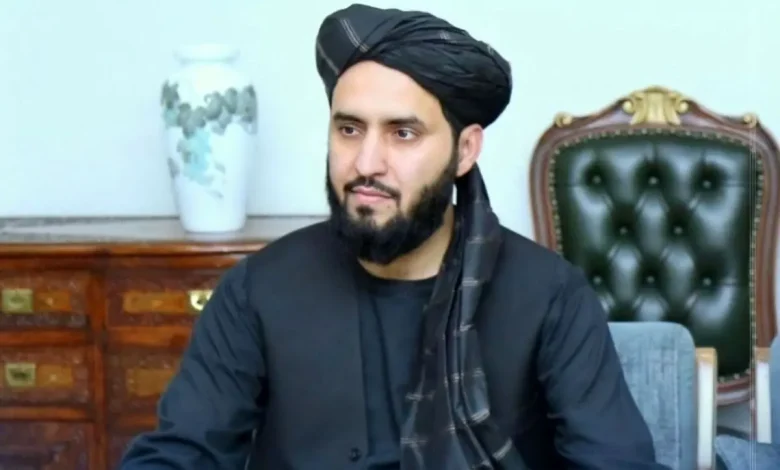
Zakir Jalali, the Deputy Political Chief of the Taliban’s Foreign Ministry, has called for a shift in how Afghanistan is viewed—urging the international community to look beyond a purely security-focused framework and instead consider the country’s potential role in promoting regional connectivity, cooperation, and integration.
Speaking about the situation before 2021, Jalali stated that the military presence of dozens of foreign nations and interference by various actors had turned Afghanistan into a serious security problem for both its people and the wider region. He claimed that Afghanistan is no longer a crisis management issue, and, because of its geoeconomic position, could function as a bridge between Central Asia, Western Asia, and South Asia.
According to the Taliban official, regional countries can benefit from Afghanistan’s transit and trade capacities to achieve shared interests and enhance regional integration. Jalali also cautiously noted the Iranian Foreign Minister’s recent comments emphasizing the need to leverage Afghanistan’s opportunities and capacities.
Jalali further claimed that progress has been made in recent years in areas such as transit, regional connectivity, trade facilitation, and economic cooperation—though these assertions are challenged by practical issues including the Taliban’s lack of international recognition, extensive domestic restrictions, and the skepticism of neighboring countries regarding Afghanistan’s long-term stability.
These remarks come as Tehran hosted a regional meeting on Afghanistan on Sunday, attended by special envoys from Russia, China, Tajikistan, Pakistan, Uzbekistan, and Turkmenistan. Despite receiving an invitation, the Taliban administration declined to participate, raising questions about its genuine commitment to regional dialogue and diplomatic engagement.