Taliban Enforces Penal Sentences on 281 People Across 19 Afghan Provinces
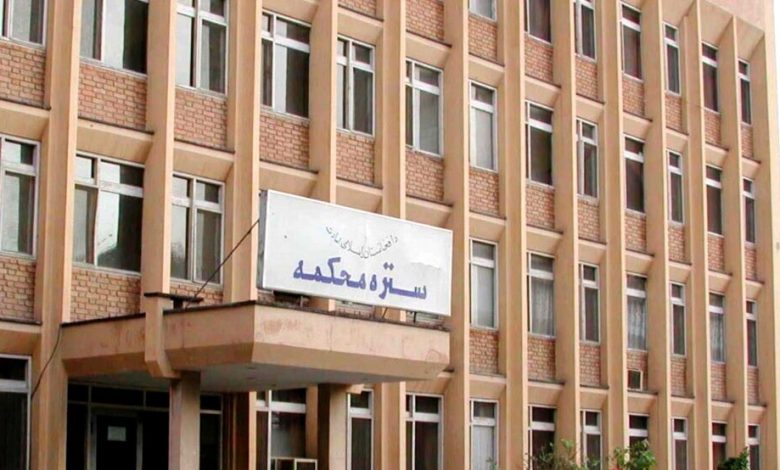
The Taliban’s Supreme Court has announced that over the past three months, penal sentences have been carried out against 281 individuals in 19 Afghan provinces, including Kabul—a move that has renewed debates about judicial justice and defendants’ rights in the country.
Abdul Rahim Rashid, head of the public relations, foreign affairs and media office of the Supreme Court, confirmed the figures, stating that the sentences were issued and enforced following what were described as judicial reviews and were based on various crimes. According to him, these rulings followed the legal standards set by the Taliban’s judiciary.
The sentences were implemented in the provinces of Parwan, Paktia, Ghor, Logar, Jawzjan, Takhar, Ghazni, Balkh, Kabul, Laghman, Khost, Farah, Maidan Wardak, Faryab, Paktika, Kapisa, Nangarhar, and Zabul. The charges included drug use and trafficking, theft, fleeing home, adultery, sodomy, and what has been termed ‘moral corruption.’
Meanwhile, several Islamic scholars have defended the implementation of such sentences, calling it legitimate under Islamic Sharia law. Hasibullah Hanafi, a religious scholar, described hudud (fixed punishments), ta’zir (discretionary punishments), and qisas (retributive justice) as fundamental pillars of an Islamic governance system, asserting that their enforcement is essential for ensuring public security.
On the other hand, some legal experts stress the importance of upholding the rights of the accused. Legal expert Rohullah Sakhizad stated that issuing and enforcing penal sentences—particularly during the suspicion phase—without access to legal counsel and without guarantees of a fair investigation could contradict legal principles.
Previously, the Taliban Supreme Court had declared that it would not bow to international pressure in implementing its rulings. Critics, however, argue that the continued application of such practices without transparency and safeguards for fair trials raises concerns over potential violations of Afghan citizens’ fundamental rights and could weaken public trust in the judicial system.