Taliban Clerics Issue Fatwa Against Cross-Border Fighting Amid Tensions with Pakistan
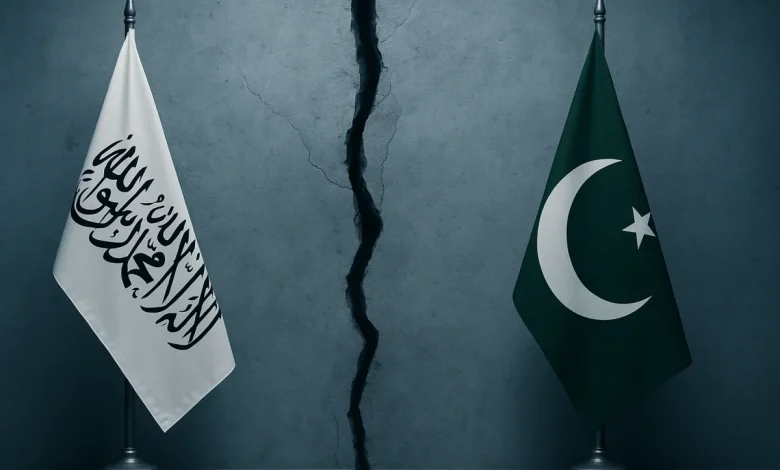
A recent gathering of Taliban-aligned clerics in Kabul concluded with a fatwa proscribing armed conflict beyond Afghanistan’s borders. Analysts interpret the decree as a de-escalatory signal and a sign of the Taliban’s unwillingness to provoke confrontation with Islamabad. Notably, if the fatwa implicitly opposes Taliban operations in Pakistan’s Khyber Pakhtunkhwa province, it may also serve as tacit recognition of the contentious Durand Line border.
The perceived discord between the Taliban and Pakistan appears more theatrical than substantial, given the absence of serious signs of tension. For over five decades, Pakistan has played a dominant role in influencing Afghanistan’s political landscape. Historically, whenever Islamabad has sensed a loss of control, it has swiftly employed its unique tools of influence.
During recent Taliban-Pakistan tensions, prominent figures known for their longstanding ties to Pakistan—such as Gulbuddin Hekmatyar and Sirajuddin Haqqani—remained notably inactive. This lack of direct involvement has been viewed as an indication that Pakistan did not perceive the situation as alarming.
The Taliban clerics’ Kabul fatwa further reflects Islamabad’s ongoing confidence in its stabilizing influence over Afghanistan. Sirajuddin Haqqani’s recent public appearance at Friday prayers in Khost and Hekmatyar’s trip to Malaysia are both interpreted as affirmations of Islamabad’s assured stance regarding the regional status quo.
In essence, this clerical decree is not merely a religious ruling but a diplomatic instrument—one aimed at managing Taliban-Pakistan relations. Simultaneously, it serves to placate the Tehrik-i-Taliban Pakistan (TTP), while conveying the Taliban’s alignment with Pakistani strategic interests and advocating for reduced tensions.