WHO Warns of Sharp Rise in Pneumonia Cases in Afghanistan
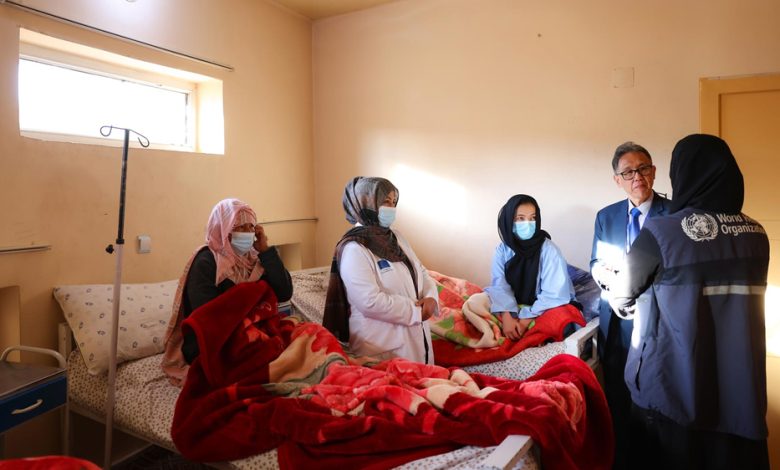
The World Health Organization (WHO) has raised concerns over a significant increase in cases of acute respiratory infections, including pneumonia, in Afghanistan during the month of November.
According to its latest monthly report, the country recorded 147,138 cases of acute respiratory infections and 248 related deaths in November—a 24.6% increase compared to October, which reported 118,090 cases. Despite the sharp rise in infections, the mortality rate has remained steady at 0.2%, the WHO noted.
The report also highlighted that 9,548 cases of acute watery diarrhea and four related deaths were reported in November. This marks a 38.2% decrease compared to October. The WHO stated that this disease has been on a downward trend since August.
Additionally, the WHO reported a 21.9% increase in suspected dengue fever cases in November, with 2,357 cases and no related fatalities so far in 2025.
Malaria cases have seen a substantial drop, with 4,804 infections documented in November—a 68.5% decline from 15,253 cases in October. No malaria-related deaths have been recorded in 2025, according to the WHO.
In terms of measles, 3,721 new cases and five deaths were reported in November, representing a 5.1% increase compared to September. The WHO stated that the first phase of a nationwide measles immunization campaign has concluded and covered approximately 8.3 million children aged six months to 10 years across 17 cold-weather provinces.
The report also noted 47 cases of Crimean-Congo hemorrhagic fever in November, including four deaths—a 60.8% decrease from the previous month. Due to the high fatality rate of this disease, the WHO emphasized the need for strong and continuous surveillance to enable early detection and timely intervention.
The findings come amid a deep crisis in Afghanistan’s healthcare system. Cuts in foreign aid have led to the closure of hundreds of clinics nationwide. Currently, much of the country’s healthcare services are sustained only through support from international organizations—a fragile situation that remains unresolved under Taliban rule.