World Bank: Afghanistan’s Economy Continues to Grow, But Challenges Persist
The World Bank has reported that Afghanistan’s economy is experiencing growth for the second consecutive year. However, this overall improvement has yet to translate into better living conditions for the country’s population, and the long-term outlook remains fraught with serious challenges.
According to the latest “Afghanistan Development Update” from the World Bank, the country’s gross domestic product (GDP) is projected to grow by approximately 4.3% in 2025, following an estimated 2.5% increase in 2024. Citing Himalaya Dheri, the report attributes the growth to low inflation and improved domestic revenues.
The World Bank notes that part of the increased economic activity is due to the return of over two million Afghans from Iran and Pakistan — a trend that has boosted demand in the services and industrial sectors, helping to drive the economy forward.
In agriculture, despite severe drought conditions, a record harvest of irrigated wheat has been recorded, showing relative resilience in the sector. Meanwhile, mining and construction have also contributed to overall GDP growth, maintaining some economic momentum.
Nevertheless, the World Bank emphasizes that growth has not resulted in improved livelihoods for the Afghan people. Rapid population growth—estimated at 8.6% for 2025—is expected to reduce per capita GDP by around 4%. Although inflation remains low at about 2%, this also highlights the economy’s heavy dependence on imports and vulnerability to external shocks.
On the fiscal front, domestic government revenues have increased, and tax collection is projected to reach 17.1% of GDP. However, a decline in foreign aid has constrained fiscal space and increased the Taliban administration’s reliance on trade taxes and continued external assistance.
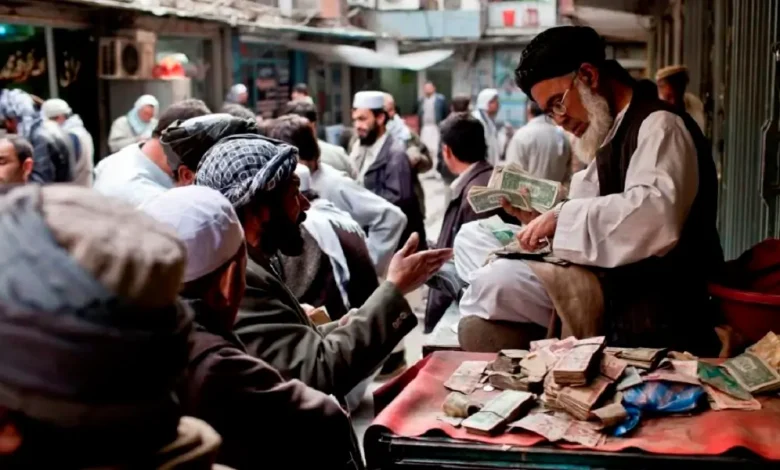
Afghanistan’s banking sector remains under strain, facing regulatory uncertainty, a rise in non-performing loans, and weak credit growth. Cash circulation outside the formal banking system and a forced shift toward an Islamic financial system have further restricted access to banking services and financial inclusion.
The labor market is also facing a serious crisis, with nearly one-quarter of Afghan youth unemployed. Restrictions imposed by the Taliban authorities on women’s education and economic participation have significantly weakened the country’s human capital and long-term growth prospects. This situation has been exacerbated by the recent large-scale return of migrants, placing additional pressure on job opportunities and public services, particularly in urban and border areas.
The World Bank warns that continued economic growth will be impossible without deep reforms. Key prerequisites for reducing Afghanistan’s dependency on humanitarian aid and achieving sustainable, inclusive growth include attracting private investment, strengthening the financial system, diversifying exports, and improving governance.