Sharp Decline in Cholera and CCHF Cases Reported in Afghanistan
Health organizations active in Afghanistan have reported that cases of acute watery diarrhea have dropped by over 38 percent nationwide, marking a continued decline for the third consecutive month. According to these organizations, the downward trend has reduced the risk of widespread community transmission.
Additionally, surveillance systems and health response measures indicate that suspected cases of Crimean-Congo hemorrhagic fever (CCHF) have fallen by 61 percent. CCHF is a dangerous viral disease typically transmitted by ticks or through contact with infected blood, requiring ongoing monitoring and effective healthcare infrastructure for containment.
Meanwhile, the return of over 220,000 Afghan citizens through official border crossings has placed significant pressure on the nation’s healthcare system. Health centers at entry points and in host communities have provided more than 40,000 outpatient consultations and screenings specifically for returnees.
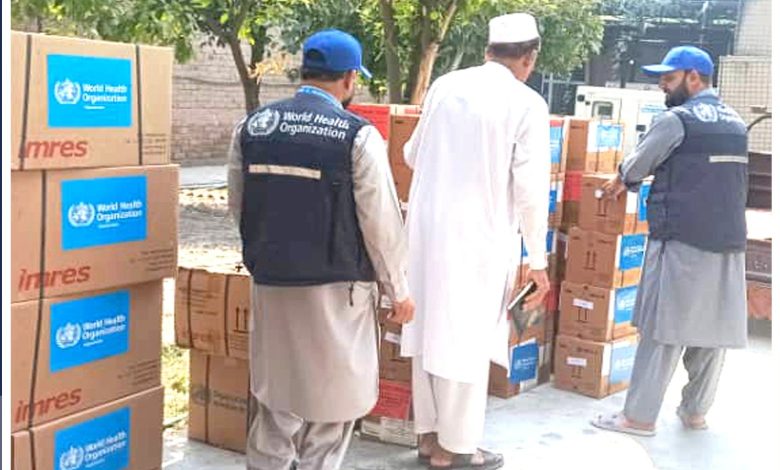
According to the report, more than 193,000 individuals across the country have received outpatient care through primary healthcare centers and hospitals supported by the World Health Organization. However, health experts warn that, under the Taliban’s administration and amid limited resources and weak health management, the sustainability of these services faces serious challenges without continued international support.