Taliban Trade Minister Announces Expanded Ties with Iran and India
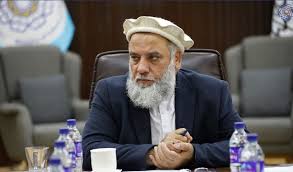
The Taliban administration’s Minister of Industry and Commerce has announced ongoing efforts to strengthen Afghanistan’s trade relations with regional and international partners, including talks with officials from India and the Islamic Republic of Iran.
In an exclusive interview with TOLOnews, the minister stated that trade volume with Iran has now reached approximately $500 million. He emphasized that the Taliban government reserves the right to establish trade relations with any country it chooses without restriction, describing such decisions as a matter of domestic policy.
The minister also noted that a potential reduction or halt in trade with Pakistan could lead to short-term price hikes in local markets. However, he argued that, in the long-term, Afghanistan could reduce its economic dependence on Pakistan. This comes amid repeated warnings from economic experts, who caution that without clear plans and alternative infrastructure, such changes will disproportionately burden the general population, particularly vulnerable groups.
According to the Taliban official, the administration is supporting local industrialists, claiming that land has been allocated to 400 companies over the past three months. However, he did not provide transparency about the land distribution process or explain the criteria used to select the companies.
Elsewhere in the interview, the minister addressed women’s participation in business, stating that more than 50,000 female entrepreneurs have registered with the ministry, and approximately 5,000 have received commercial licenses. These statements come against the backdrop of sweeping Taliban restrictions on women’s education and employment, which have cast serious doubt on the future of women’s economic activities in Afghanistan.
The minister concluded by calling on the Economic Cooperation Organization (ECO) to hold its next meeting in Kabul, a request whose realization will depend on political and security conditions as well as regional engagement.