Iran Urges End to Taliban Restrictions on Afghan Women at UN Meeting
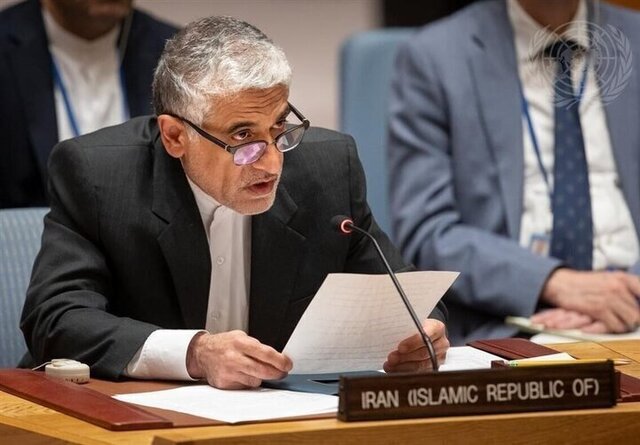
Amir Saeid Iravani, the Permanent Representative of the Islamic Republic of Iran to the United Nations, said during a UN Security Council meeting on the situation in Afghanistan that the Afghan people continue to endure a wave of humanitarian crises, insecurity, and widespread restrictions against women and girls. He noted that with winter approaching and the damage from recent earthquakes, conditions have become more fragile, increasing the risk of growing food insecurity and malnutrition.
Iravani described the lack of financial resources for the 2025 humanitarian response plan as a serious threat and called on the international community to increase their aid to prevent a halt in assistance efforts. He warned that if sufficient resources are not provided, women and children will suffer the most.
The Iranian representative stressed the need for practical and meaningful engagement with the Taliban administration to address the humanitarian crisis, adding that humanitarian aid should not be politicized. He called for the lifting of sanctions that hinder Afghanistan’s economic recovery and said the country’s frozen assets must be released so that people can meet their urgent needs.
Iravani condemned the restrictions imposed on Afghan women and girls as violations of human dignity and inconsistent with Islamic principles. He emphasized that these restrictions must be lifted immediately, adding that constructive dialogue is the best way to promote respect for human rights, particularly the rights of women and ethnic groups. His remarks come as the Taliban continues to block women’s access to education and employment in most areas—actions widely criticized by international organizations.
According to Iravani, forming an inclusive government that reflects the true will of the Afghan people is the only way to achieve lasting peace and prevent a new wave of migration. He warned that continued monopolization of power by the Taliban would lead the country down a path of long-term instability.
He further noted the threat posed by terrorist groups operating in Afghanistan, particularly ISIS-Khorasan, to regional security. Iravani urged the international community to strengthen oversight and cooperation in combating such groups. In his view, Afghanistan must be transformed from a haven for terrorism and drug trafficking into a safe and independent nation.
Iravani also raised concerns about security along Afghanistan’s shared borders with its neighbors and emphasized the Taliban administration’s responsibility to prevent armed groups from operating on Afghan soil. He said the security of border regions is tightly interconnected, and instability in Afghanistan directly impacts the security of Iran and Pakistan.
He announced Tehran’s readiness to facilitate cooperation between Kabul and Islamabad and to host a regional foreign ministers’ meeting aimed at reducing tensions. Iravani added that with millions of Afghan refugees residing in Iran, Afghanistan’s stability is of urgent importance to Iran, and engaging with the Taliban is a strategic necessity from a practical standpoint.
In conclusion, Iravani highlighted the importance of Iran’s Chabahar port, describing it as a crucial route for Afghanistan’s access to open waters and the delivery of essential aid. He warned that unilateral sanctions damage Afghanistan’s economic and humanitarian stability and stated that Iran is ready to utilize Chabahar’s capacities to support the country’s economic reconstruction.