Afghanistan Begins Construction of Permanent Disaster Management Offices in Several Provinces
Afghanistan’s National Disaster Management Authority (ANDMA) has announced the launch of construction work on new permanent offices in several provinces, addressing what it describes as one of the agency’s key challenges in recent years—the lack of permanent provincial buildings. Officials say the move aims to enhance coordination in responding to natural disasters.
According to Nooruddin Turabi, head of ANDMA, the first of these new buildings was inaugurated on Wednesday in Kapisa province. Speaking at the opening ceremony, Turabi emphasized the agency’s commitment to providing food and non-food aid to families affected by natural disasters and to constructing retaining walls in vulnerable areas.
“We are obligated to establish well-equipped, standard offices in every province to ensure more effective responses during crises,” Turabi said. “It is also our responsibility to supply food, living essentials, and basic facilities for those in need.”
Ehsanullah Baryal, the governor of Kapisa, stated at the ceremony that the provincial administration and local residents are prepared to cooperate in disaster management efforts. He stressed that having an independent ANDMA office in the province would improve coordination among local institutions during emergencies.
Meanwhile, Mohammad Sabir Ahmad, the head of ANDMA’s provincial office in Kapisa, welcomed the new facility, saying: “Previously, we operated out of a rented building, but now, thanks to the support from the national leadership, we have a permanent and independent office.”
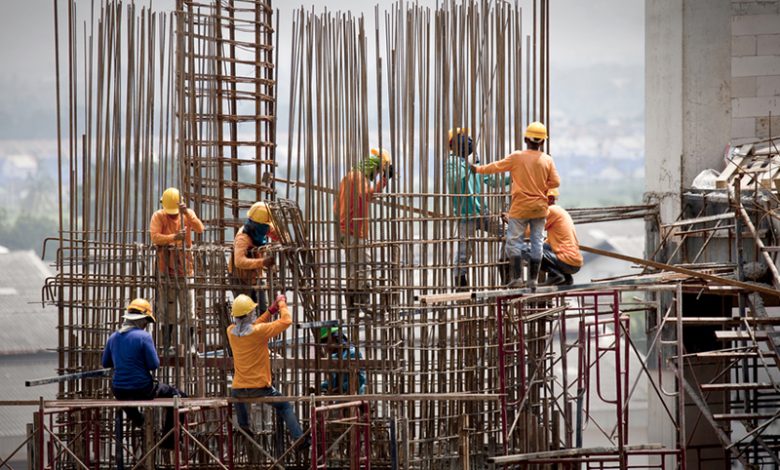
According to ANDMA, the new three-story facility was built on a 364-square-meter plot at a cost of 13 million Afghanis. The building includes 12 office rooms and took six months to complete.
Some observers note that while establishing official offices in the provinces is a positive step, the Taliban authorities must clarify how they plan to secure adequate resources to effectively mitigate the impacts of natural disasters, given the country’s fragile economic situation and limited institutional capacity.