Taliban Seeks Expanded Educational Cooperation with Iran
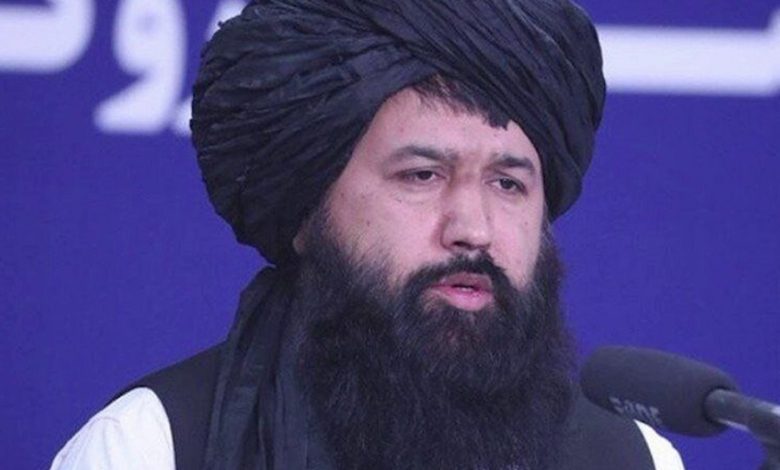
Nabi Mohammad Nadim, acting head of the Taliban-run Ministry of Higher Education, has called for expanded scientific collaboration between Afghanistan and Iran during an official visit to Tehran. In a meeting with Ali Akbar Velayati, senior advisor on international affairs to Iran’s Supreme Leader, Nadim discussed Afghanistan’s educational needs and urged Islamic Azad University to enhance its academic programs in medicine, electronics, and artificial intelligence at its Afghan branch.
Nadim said Afghanistan faces a shortage of specialized personnel and qualified professors in scientific fields, and that cooperation between educational institutions could help strengthen the country’s academic capacity. However, experts argue that the lack of independence and transparency in the education system under Taliban rule remains a major hurdle to genuine academic collaboration.
Since regaining control of Afghanistan, the Taliban have implemented controversial education policies, particularly restricting access to education for girls and women—measures that have sparked strong domestic and international criticism. Observers believe that unless these restrictions are lifted, meaningful academic cooperation between Afghanistan and other countries is unlikely to yield comprehensive improvements in the country’s education system.