UN Food Aid to Afghanistan Slashed by 80% Amid Funding Crisis
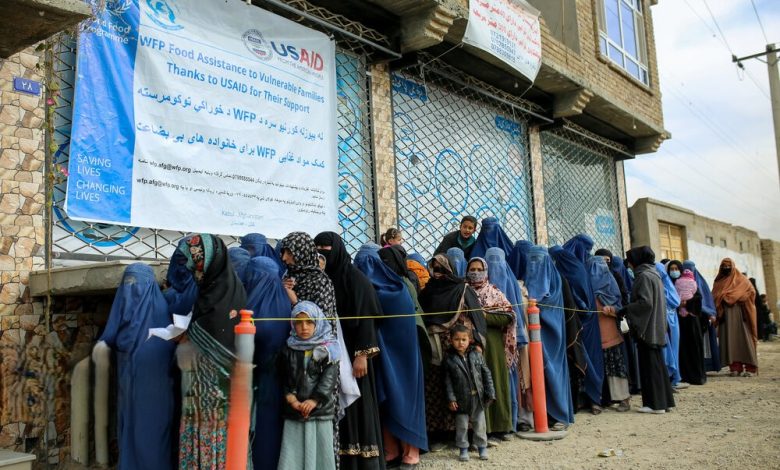
The World Food Programme (WFP) has announced that its food assistance to Afghanistan has plummeted by 80% due to an unprecedented funding shortfall, leaving millions of vulnerable families at risk of food shortages as winter approaches.
According to Carl Skau, the agency’s Deputy Executive Director, the number of people receiving WFP support in Afghanistan has dropped from 10 million to just 2 million. In an interview with Al Jazeera, Skau revealed that nearly half of the organization’s overall funding has been cut, severely limiting its capacity to operate in countries like Afghanistan.
He warned that 2025 could be the worst year ever for securing resources for humanitarian aid, describing the current situation as a “perfect storm” driven by surging human needs and a sharp decline in funding.
Skau said the WFP has been forced to halt or scale back operations by up to 80% in some areas. In Afghanistan, the lack of funds has prevented the organization from stockpiling food in remote, hard-to-reach regions ahead of winter—a shortfall he said could have deadly consequences for children.
The crisis is being exacerbated by the Taliban administration’s failure over the past three years to strengthen social service structures. Moreover, restrictions imposed by the Taliban on aid agencies have further complicated efforts to address the crisis.
The WFP has warned of a sharp rise in malnutrition among women and children in Afghanistan, potentially reaching levels not seen in recent years. The country is currently facing one of the world’s worst food crises, with United Nations assessments indicating that millions of Afghan children suffer from acute malnutrition.
Reports from the UN Office for the Coordination of Humanitarian Affairs (OCHA) show that 48% of Afghanistan’s population lives below the poverty line, and more than 22 million people are in need of humanitarian assistance. Globally, Skau stated, 320 million people are experiencing severe food insecurity, while the WFP’s budget has been slashed by over 40%. As a result of these shortfalls, the agency has been forced to lay off around 5,000 staff members this year.