Afghanistan Still Holds Geopolitical Significance in US Strategy, Says Former Afghan Official
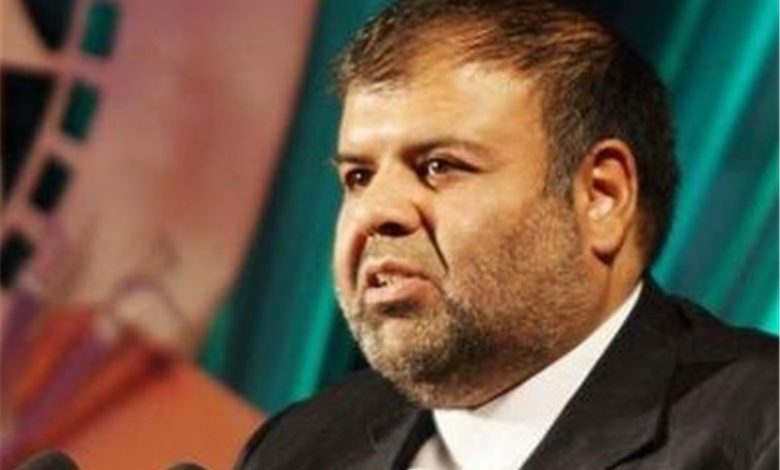
Abdul Karim Khurram, a former minister and chief of staff to the former president of Afghanistan, has stated that Afghanistan continues to hold an important geopolitical role in the strategic plans of the United States. Responding to discussions surrounding new US security strategies and the absence of any direct reference to Afghanistan in recent policy documents, Khurram emphasized that this omission should not be interpreted as a sign of the country’s diminished importance.
In a post published on his X (formerly Twitter) page, Khurram highlighted that Afghanistan remains a key point in both regional and global geopolitical equations, particularly for its strategic importance in influencing policies aimed at containing China. He noted that while recent US documents have referred to the Monroe Doctrine and a focus on the Americas, they also reaffirm the United States’ ongoing commitment to maintaining its influence and dominance on the global stage.
International affairs experts point out that, given Afghanistan’s location adjacent to major powers such as China and Russia, US interests in Central and South Asia cannot be fully addressed without considering Afghanistan. Therefore, they argue, the country’s omission from official documents should not be interpreted as a dismissal of its strategic relevance.