EU Launches New Education Program for Returnees in Afghanistan
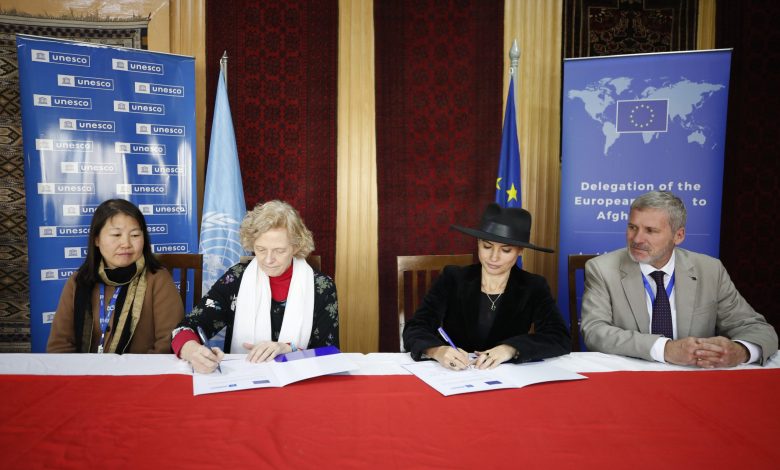
The European Union, in collaboration with the United Nations Educational, Scientific and Cultural Organization (UNESCO), has launched a new initiative aimed at improving literacy and vocational skills in Afghanistan. Designed with a focus on the needs of returnees and host communities across the country, the program aims to create educational opportunities for thousands of Afghan citizens.
A statement from the EU said the funding will help develop essential life skills and support sustainable livelihoods. According to officials, the initiative is part of ongoing EU efforts to strengthen the economic independence of Afghan nationals and reduce their reliance on humanitarian aid in the current challenging environment.
Although the program is being supported by international organizations, its implementation faces significant restrictions imposed by the Taliban administration. The Taliban have consistently placed obstacles in the way of open access to education, particularly for women and girls, raising concerns among international aid and advocacy groups.
Critics argue that unless the Taliban abandon their hardline policies on education—especially those limiting access for half of the population—international investments are unlikely to yield lasting results. Nonetheless, both UNESCO and the EU have stressed their commitment to prioritizing education for vulnerable groups, including women, girls, and returnees.