China Urges Tajikistan to Ensure Safety of Its Citizens After Deadly Attack
China has called on the Tajik authorities to urgently guarantee the safety of its nationals following a deadly attack on Chinese citizens in southwestern Tajikistan. In response to the incident, Guo Xijun, China’s ambassador in Dushanbe, contacted senior Tajik government officials—including Foreign Minister Sirojiddin Muhriddin and Kamolzoda, First Deputy Chairman of the National Security Committee—to express Beijing’s concerns.
According to a statement from the Chinese Embassy, discussions mainly focused on the security conditions for Chinese companies and nationals operating in border areas between Tajikistan and Afghanistan. The call for improved security comes after an incident last week in which several armed individuals used firearms and a drone to attack a Chinese construction company facility in Tajikistan’s Khatlon province, killing three Chinese workers.
The Taliban administration released a statement denying direct responsibility for the attack but suggested that a group intent on “destabilizing the region” was involved. The vague and non-committal tone of the Taliban’s response has drawn criticism. While they mentioned willingness to cooperate with Tajik authorities in the investigation, they provided no clear details or identification of the perpetrators.
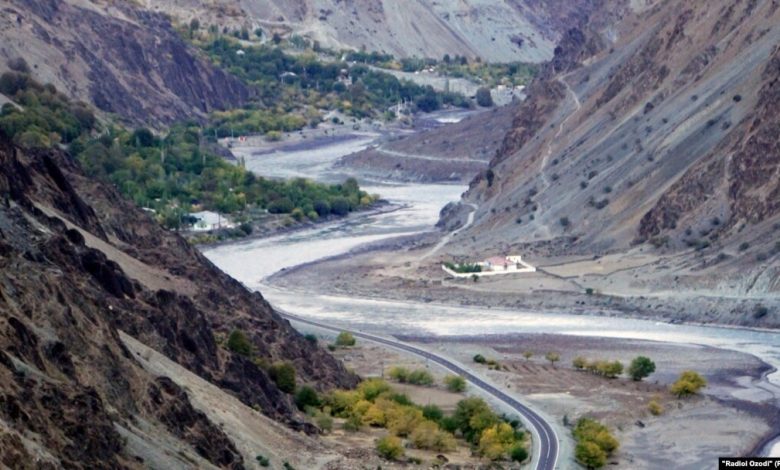
Tajik officials have unequivocally condemned the attack, stating that the incident targeted employees of Shahin SM Company at a labor camp situated at the Istiqlol Border Post in the Shamsiddin Shihin district—an area in southwestern Tajikistan that shares a 420-kilometer border with Afghanistan.
Tajik authorities claim that criminal groups operating inside Afghanistan were behind the assault and have called their presence a direct threat to regional security. Pressure is mounting on the Taliban administration, especially since this marks the first recorded instance of a direct military-style attack on Tajik soil originating from Afghanistan.
While the Taliban have consistently claimed to have full control over Afghanistan’s security, incidents such as this one highlight their apparent inability to manage border areas and curb the activities of non-state armed groups operating near neighboring countries.
It is worth noting that just last month, a delegation of senior Tajik security and foreign affairs officials traveled to Kabul for meetings with Taliban leaders—dialogues that now appear fruitless in light of the recent violence.