UN Warns Internet Shutdown in Afghanistan Severely Impacted Women and Civil Society
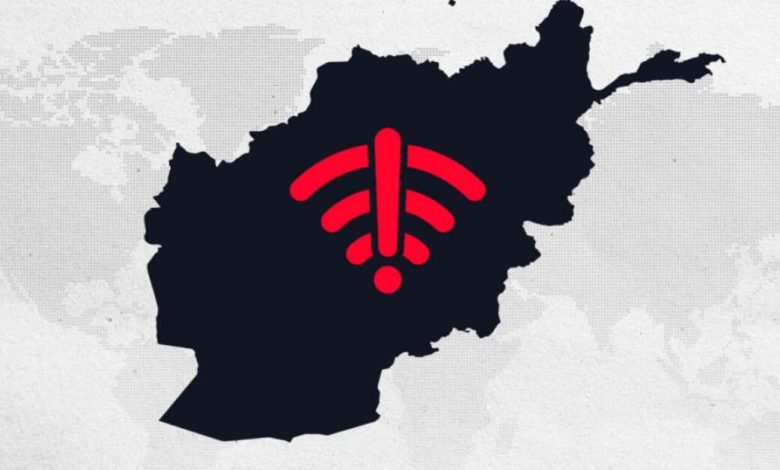
A recent report by UN Women warns that Afghanistan’s nationwide communications shutdown from September 29 to October 1, 2025, had profound and widespread consequences, particularly for women and women-focused organizations.
The report details that the complete disruption—following prior scattered outages across various provinces—cut off millions of Afghans from access to information, essential services, and life-saving support. Humanitarian aid, registration systems, assistance programs, and access to healthcare, banking, and education services were halted in several parts of the country during the 48-hour blackout.
UN Women highlighted that women were particularly affected. They lost contact with networks providing psychosocial support, and the ability to report gender-based violence was eliminated. Furthermore, due to the requirement for male guardians to travel, the inability to coordinate movements curtailed mobility for working women.
Numerous women-led organizations throughout cities and districts were forced to suspend operations. Staff payments were delayed, reporting halted, and field programs canceled. Meanwhile, girls participating in online education lost access, raising concerns about increasing risks of forced marriage and social isolation.
The report also underscored the devastating effects on women-run media outlets. Television and online broadcasts were interrupted, with only pre-recorded radio segments continuing. The loss of connection to international networks heightened threats against human rights defenders and blocked avenues for reporting.
UN Women warns that such blackouts may recur, and that local organizations, especially women-focused entities, currently lack the capacity and tools to function under such conditions.
Strategic recommendations in the report include adopting offline systems for printing and storing critical information, utilizing non-internet messaging platforms such as eSIM, building in-person communication networks, and investing in face-to-face psychosocial services.
In its concluding remarks, UN Women stressed that communication restrictions are not merely technical issues but constitute threats to freedom, mental health, and the future of Afghan women. One female media worker quoted in the report said, “For women, these blackouts mark the end of hope and awareness; connection means the ability to stay alive.”
In recent months, the Taliban administration has imposed sweeping internet restrictions, citing a religious decree aimed at preventing moral corruption and social vice.