Pakistani Senator Condemns Taliban’s Divorce Code as ‘Shocking’ Child Marriage Legalization
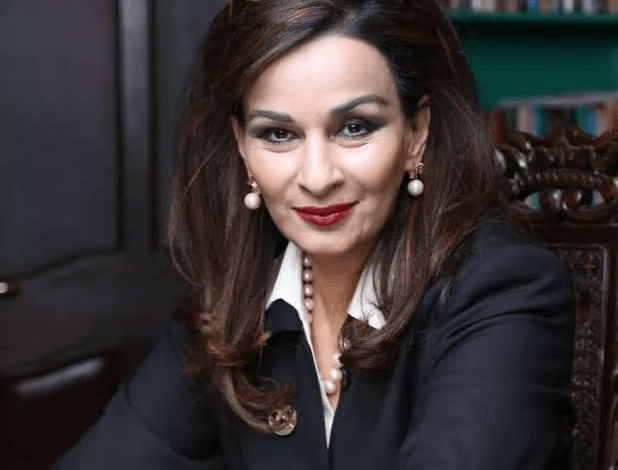
Pakistani Senator Shireen Rahman has strongly criticized the Taliban administration’s “Divorce Code,” describing the document as a “completely shocking” move and stating that legalizing child marriage is a blatant violation of fundamental human rights.
On Monday, May 25, Senator Rahman reacted by resharing a message from Hmish Falconer, the United Kingdom’s Deputy Foreign Minister, on X (formerly Twitter). Falconer called the code “astonishing” and emphasized that child marriage constitutes a fundamental human rights violation at any time and place. He added that instead of forcing girls into early marriage, they should be supported and protected.
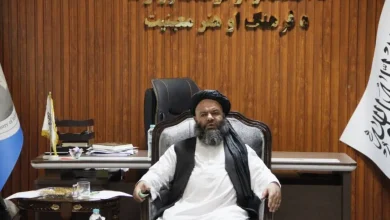
The Taliban Ministry of Justice announced on May 14 that the “Divorce Code” had been promulgated in the official gazette following the endorsement of Taliban leader Hibatullah Akhundzada. The 31-article code covers issues such as annulment of marriage, child marriage, and related custody rules.
According to the published content, the code sets conditions that critics argue provide legitimacy to child marriage in Afghanistan. The Taliban administration describes the regulation as “religiously and Islamically compliant,” but widespread domestic and international reactions reflect serious concerns about its consequences, particularly for girls.
Taliban spokesman Zabihullah Mujahid dismissed human rights protests against the code on May 20, calling the criticisms unimportant and noting that the Taliban do not care about them. He added that these protests contradict Islamic rulings and should not be heeded.
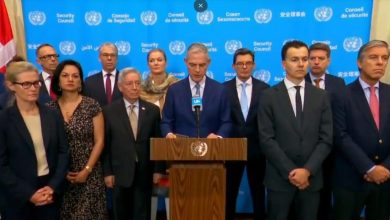
Internationally, several politicians and human rights organizations have sharply condemned the code. Miral Hussain, a Muslim member of the British Parliament, said on May 22 that the code essentially represents a “law permitting child rape.”
Additionally, nearly 100 human rights organizations issued a joint statement declaring that the “Divorce Code” disregards the fundamental rights of half of Afghanistan’s population and legitimizes child marriage. These organizations have called for the “full, immediate, and unconditional repeal” of the code—a demand that has yet to receive any concrete response from the Taliban administration.