Russia Urges Depoliticized Global Engagement with Afghanistan

Russia has called on the international community to adopt a comprehensive, depoliticized, and dialogue-based approach towards Afghanistan, emphasizing regional cooperation and practical support instead of sanctions and pressure to prevent the country’s worsening situation.
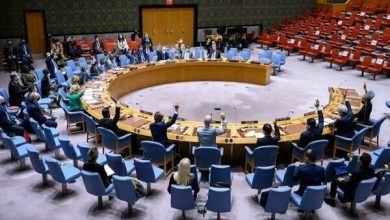
Vassily Nebenzia, Russia’s Permanent Representative to the United Nations, told a UN Security Council meeting that contrary to predictions by some Western countries, Afghanistan has not collapsed completely following the withdrawal of foreign forces. He claimed that despite ongoing sanctions, the Taliban-led administration is striving to address long-standing challenges and is seeking regional cooperation to build self-reliant structures—an effort that, he said, requires time and international support.
Nebenzia stressed that Moscow continues to support the UN Assistance Mission in Afghanistan (UNAMA) and initiatives such as the “Doha Process,” which aims to establish a framework for engaging with the Taliban administration and gradually reintegrating Afghanistan into international affairs.
He warned that pressure-based policies, including setting deadlines and imposing sanctions, could further harden the Taliban’s positions and undermine the UN’s field efforts. According to him, regional actors, including members of the Shanghai Cooperation Organization and the Collective Security Treaty Organization, also believe that engagement is the only viable option under current circumstances.
The Russian envoy called for progress in releasing Afghanistan’s frozen assets and expanding development aid, warning that continued deadlock could reduce the UN’s presence and operational capacity in the country—developments that would have direct humanitarian consequences.
On security, Nebenzia expressed concern over ongoing terrorist threats, particularly activities by ISIS, noting that the group continues to receive foreign financial support and recruit foreign fighters, including those with combat experience in Syria and Iraq. He also warned about the uncertain fate of weapons left behind by NATO forces and a surge in synthetic drug production—issues he said are closely linked to terrorism.
Nebenzia backed dialogue between Afghanistan and Pakistan amid rising tensions, urging both sides to enhance cooperation, especially in counterterrorism. He also highlighted Afghanistan’s worsening economic and social conditions and thanked humanitarian organizations for continuing their work despite reduced funding.
Reaffirming Moscow’s official stance, the Russian envoy underscored support for the rights of all Afghan citizens, stating that the formation of an inclusive government and respect for fundamental freedoms—including non-discriminatory access to education and employment—are crucial for normalizing Afghanistan’s role in the international community. These, he said, remain key demands of the global community toward the Taliban administration.
In conclusion, Nebenzia called on the UN to engage with Afghanistan’s de facto authorities to help resolve existing challenges and pave the way for the country’s reintegration into international affairs.